Two brothers arrived in Palermo after the 1799 earthquake in Bagnara Calabra. That’s how the story of the Florio family begins in Stefania Auci’s book The Florios of Sicily, an interesting read for hot summer afternoons. From poor Calabrians to some of the wealthiest entrepreneurs of Sicily, the Florios played an important part in the history of the Egadi Islands.
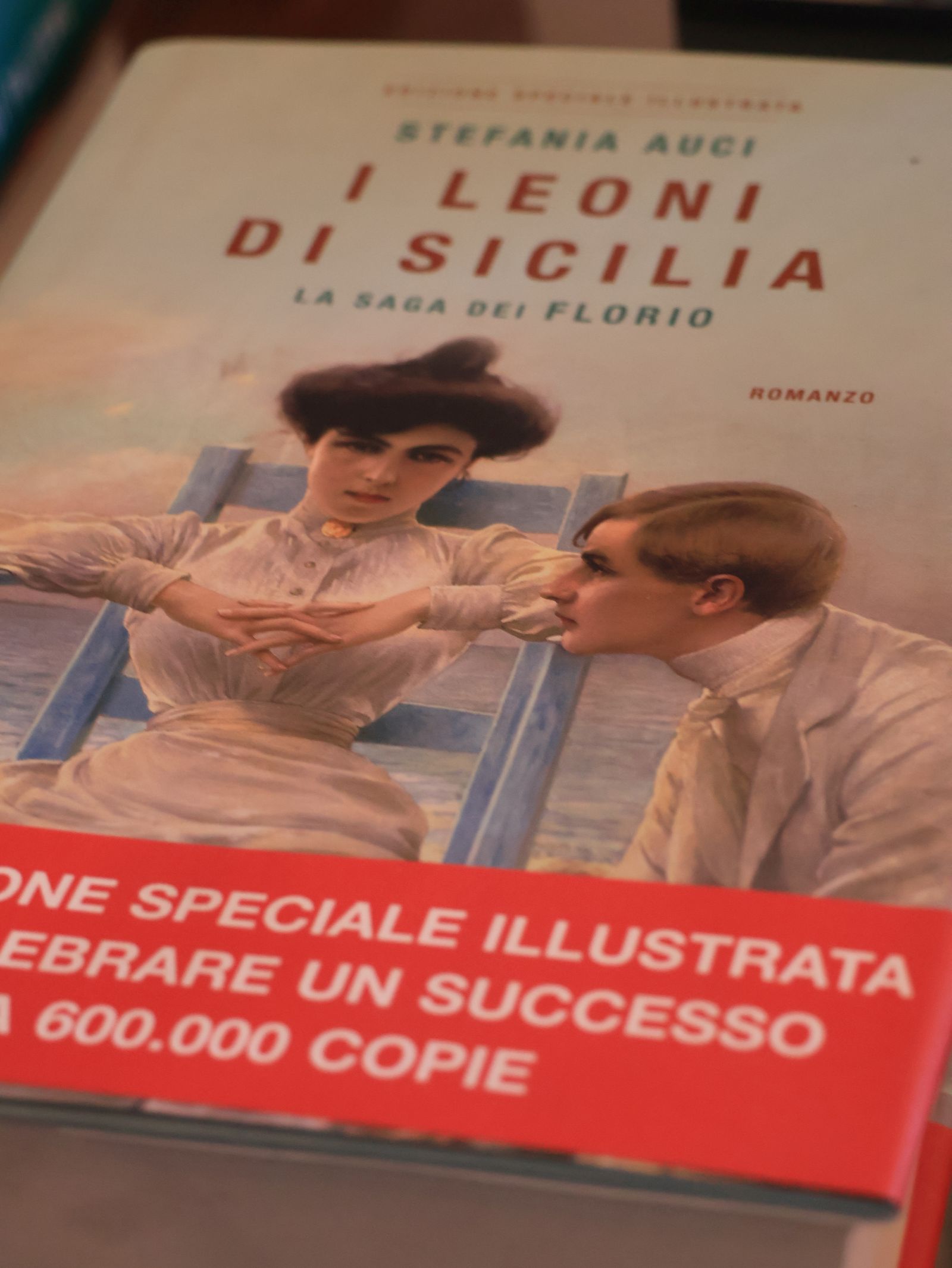
The next two parts of the book (The Triumph of the Lions and Fall of the Florios) will arrive by courier this week, and I definitely want to finish them before we return to the Egadi Islands to guide a small group at the end of September.
I am fascinated by the history of this family, but the Egadi Islands fascinate me even more.
The best part of my job is going on research trips to places most of my clients have never heard of, and the Egadi Islands had been on my list for years. Then, last June, here I was, happy, sitting on the hydrofoil from Trapani to Favignana, just off the western coast of Sicily.
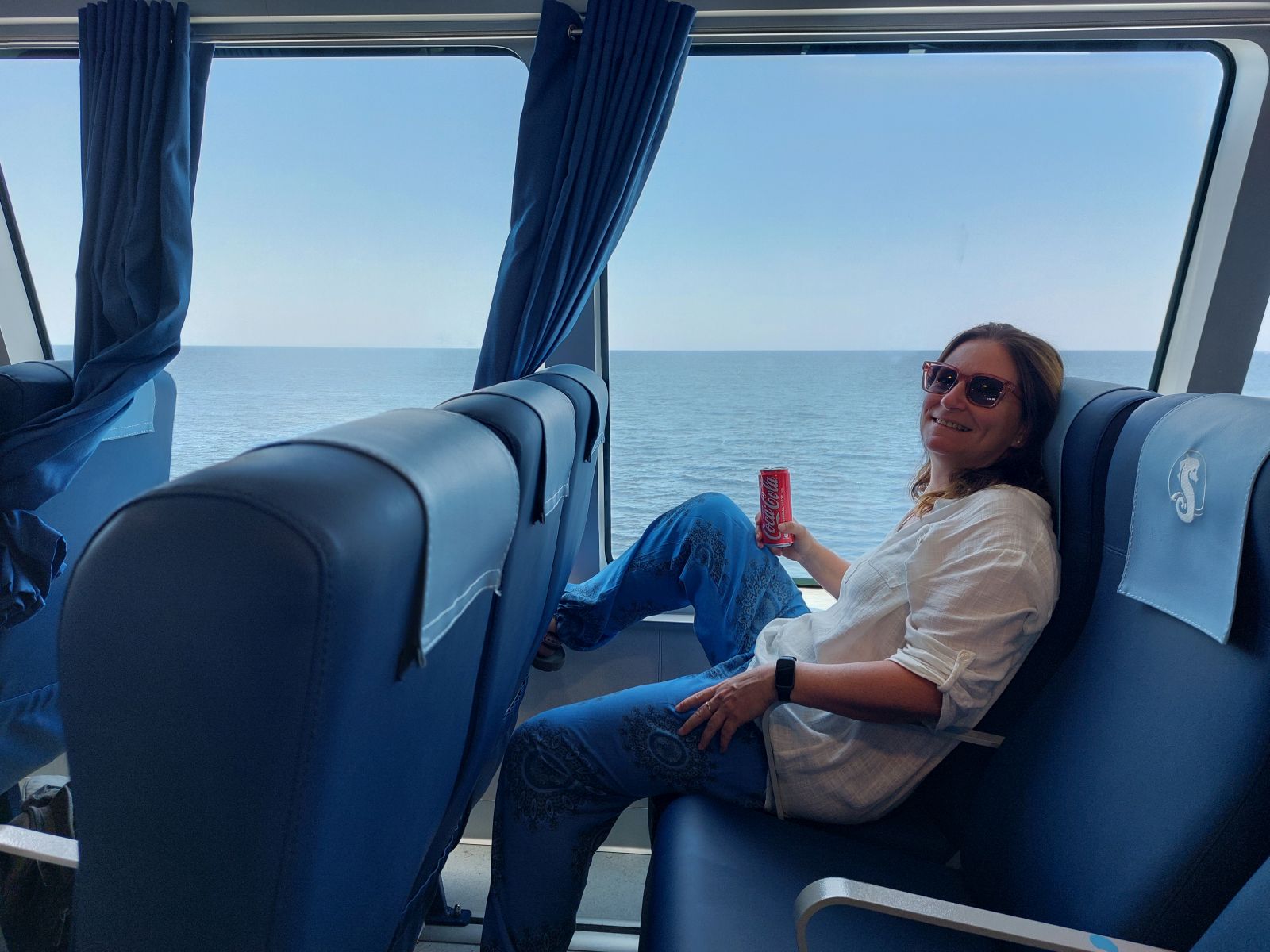
Arriving in Favignana
I arrived with my family, my favourite research team. My husband – a geographer – is my partner in creating and guiding our small group tours, and in taking photos and videos, while our daughter loves testing beaches, bikes, boats, food, gelato and granita.
We arrived at the end of June, one of the best times to visit Favignana. The weather was warm, the sea temperature very pleasant, and everything was open. It was busy, but not overcrowded yet. Most visitors arrive from Sicily and the Italian peninsula, in July and August, so June, September and October are the best months for a quieter stay.
Once settled into our quiet and spacious apartment, we arranged our e-bike rental for the following days, as well as our ferry tickets to Levanzo and Marettimo, the other two accessible islands of the Egadi archipelago.
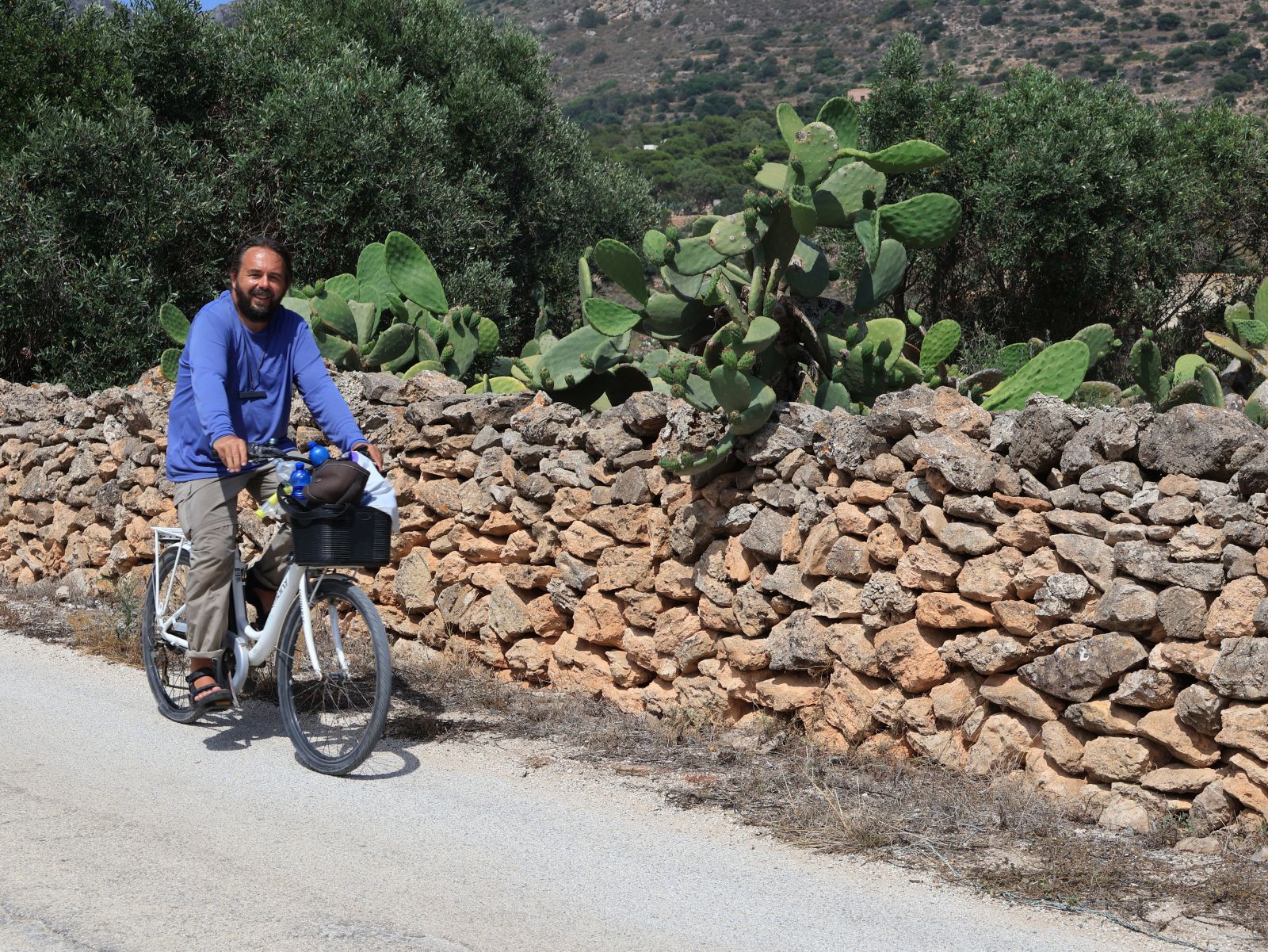
Cycling through Favignana
The next morning we picked up our e-bikes and spent the entire day discovering the eastern part of this butterfly-shaped island. While the 314-meter-high hill with the Castello di Santa Caterina dominates the island, most of Favignana is flat, making it the most bike-friendly island in the Mediterranean.
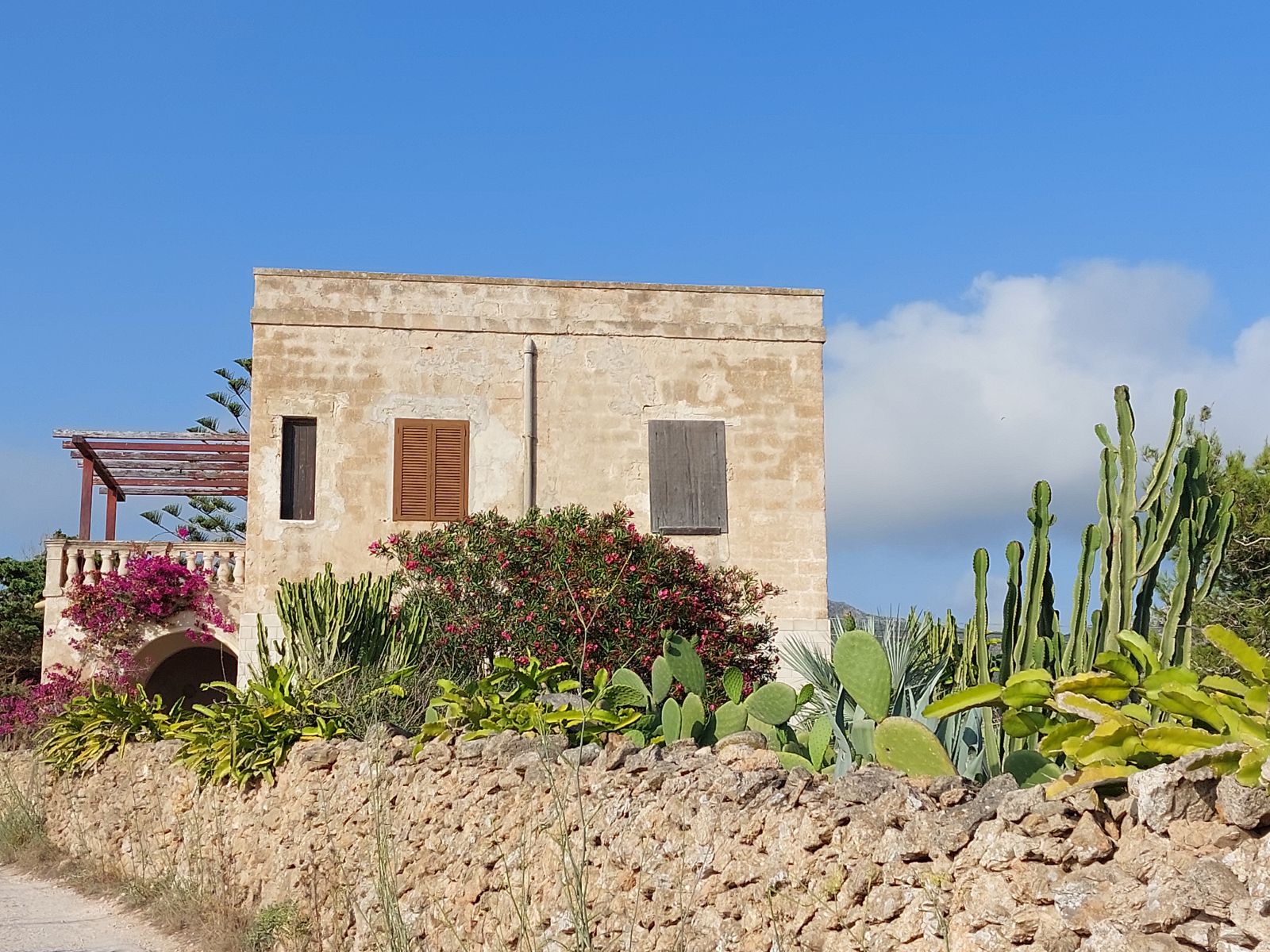
We cycled on both paved and dirt roads, lined with stone walls, with capers finding their way through the cracks. We could smell wild fennel and herbs, and while most of the island was quite dry and barren, we saw several small farms and holiday homes with orchards, fig trees, prickly pears, olive trees and huge oleander bushes.
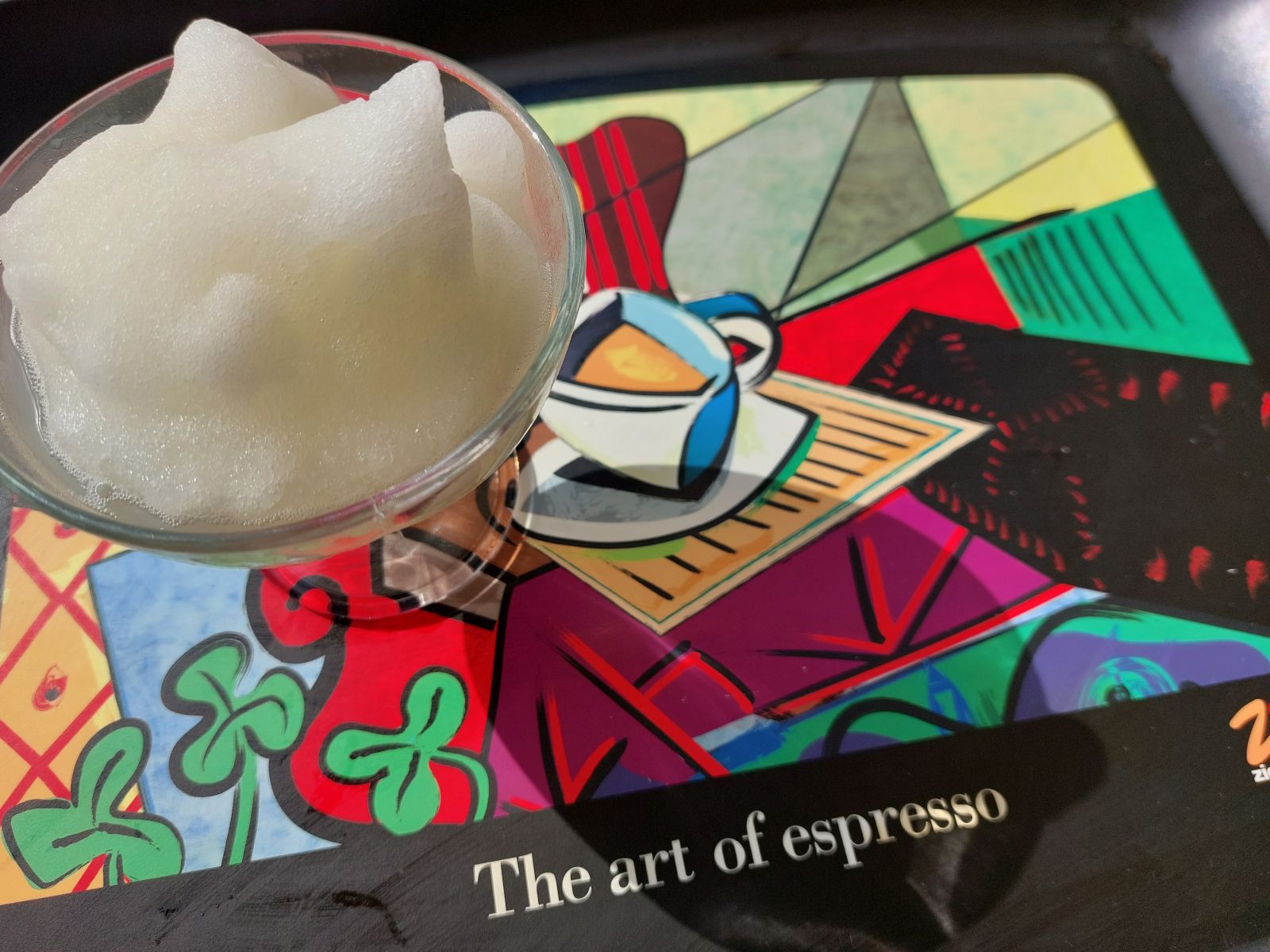
We stopped at several beach bars and kiosks to get a lemon granita and chat with local people. As we found out, life has never been easy on the islands. Strong sea winds, poor-quality soil and limited freshwater don’t make the Egadi Islands the ideal place for agriculture. Even today, when it comes from a combination of submarine pipelines, tanker ships and desalination plants, freshwater is not abundant. It’s actually a problem on most islands of the Mediterranean.
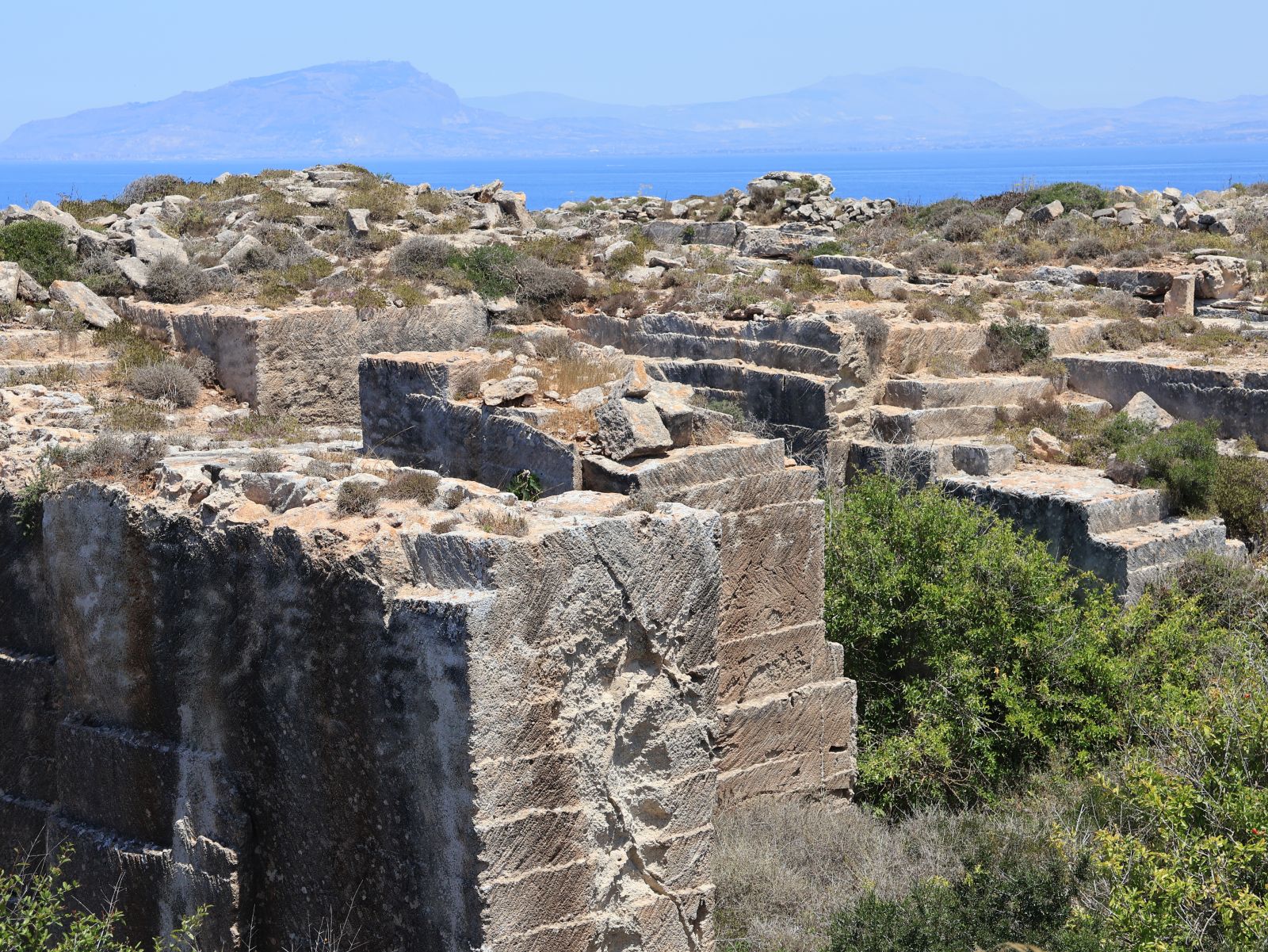
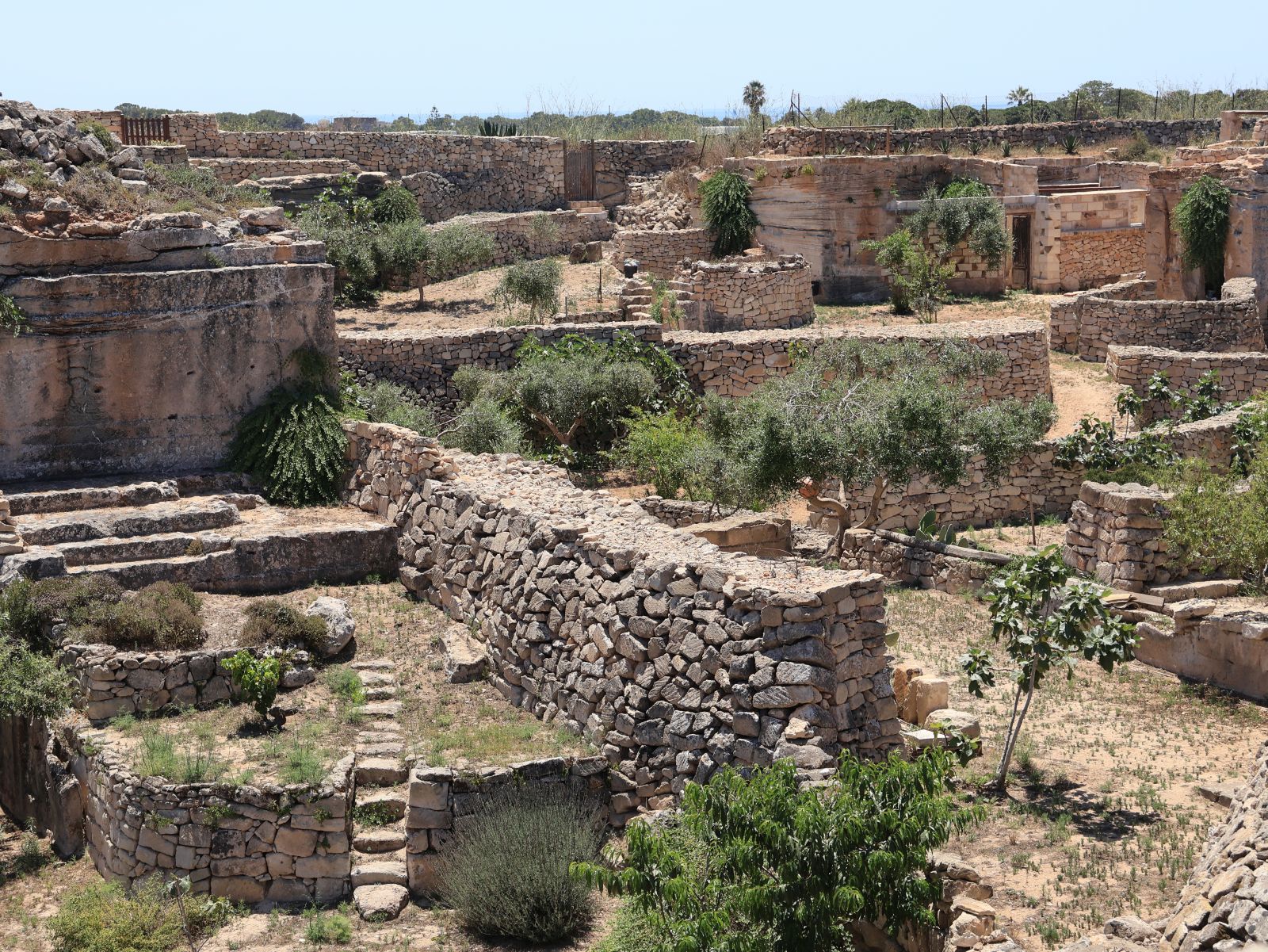
Nevertheless, the area has been inhabited since prehistoric times, also proven by the cave paintings of Levanzo. For centuries, the main pillars of local economy were fishing and quarrying. While cycling around, we found labyrinths of abandoned calcarenite quarries, today turned into tourist attractions, accommodation with pool, sunken gardens or an outdoor cinema.
These quarries are a distinctive part of Favignana’s landscape, and play a special role in the heritage of the island. Pirriaturi (stonecutters) did an important and very hard work, and many local familes made their living by mining the local stone, which was then shipped to Sicily and even North Africa. Homes, churches and palazzi in Palermo, Trapani, Messina and even Tunis were built using the stone of Favignana.
The Odyssey and the Egadi Islands
Samuel Butler, the 19th-century English writer, believed Favignana was the real Goat Island in Homer’s Odyssey. Homer was writing about wild goats and a small island visible from a larger landmass. Its ancient name was Aegusa, meaning the island of the goats.
Butler also thought Ithaca was actually Marettimo, another Egadi island, not the island in Greece. He actually traveled to Sicily and studied the landscape and geographical details.
Of course, theories collide.
Then Christopher Nolan arrived and he shot the Ithaca sequences on Favignana last year. Bringing Hollywood to Favignana, 500 people and 12 boats worked here for eight weeks in the spring of 2025. It was one of the most difficult parts of the shoot, as crew members had to hike up to the castle every day. From the castle, Nolan’s Ithaca, you get a view of Marettimo, Butler’s Ithaca, in the background.
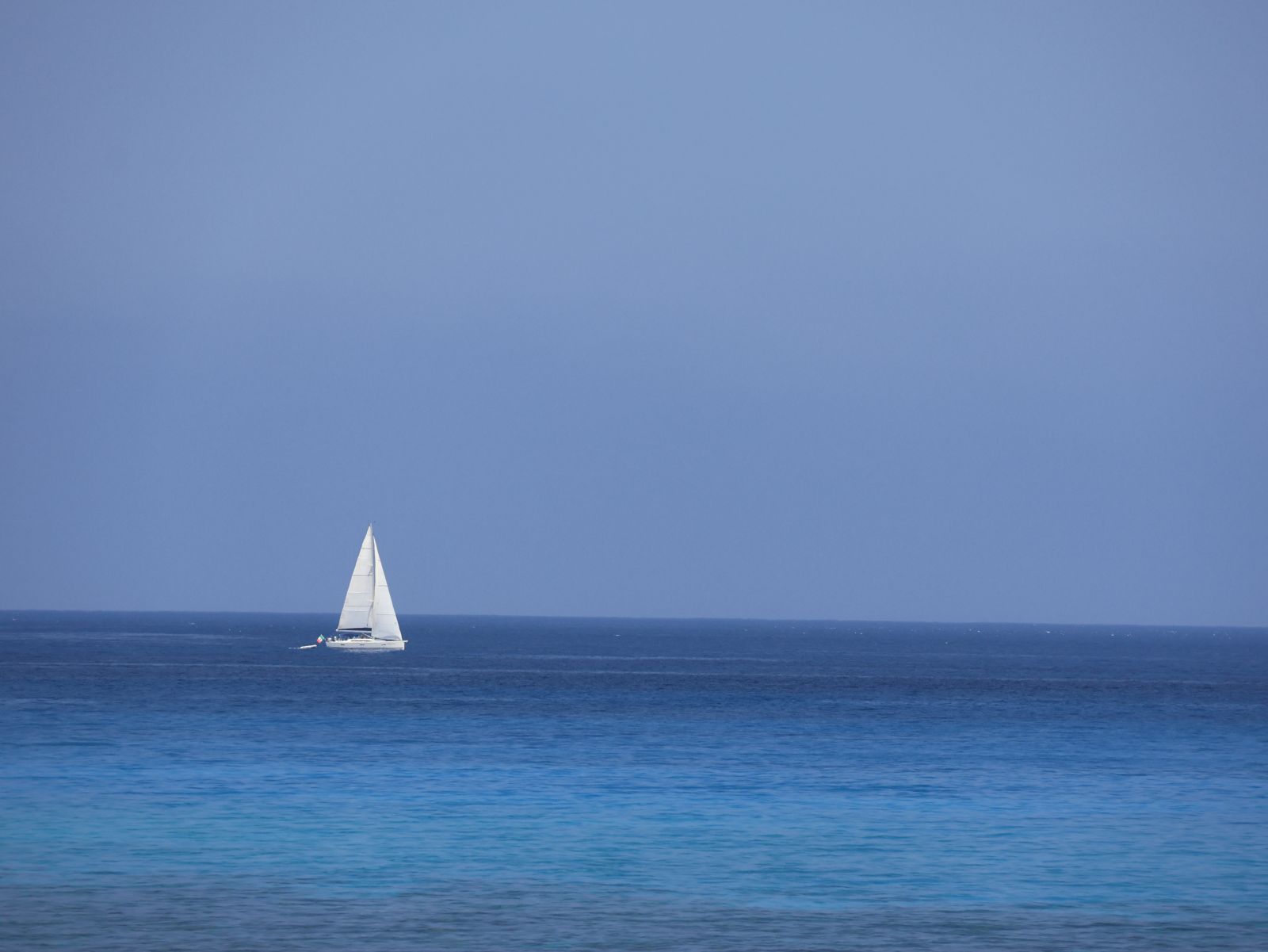
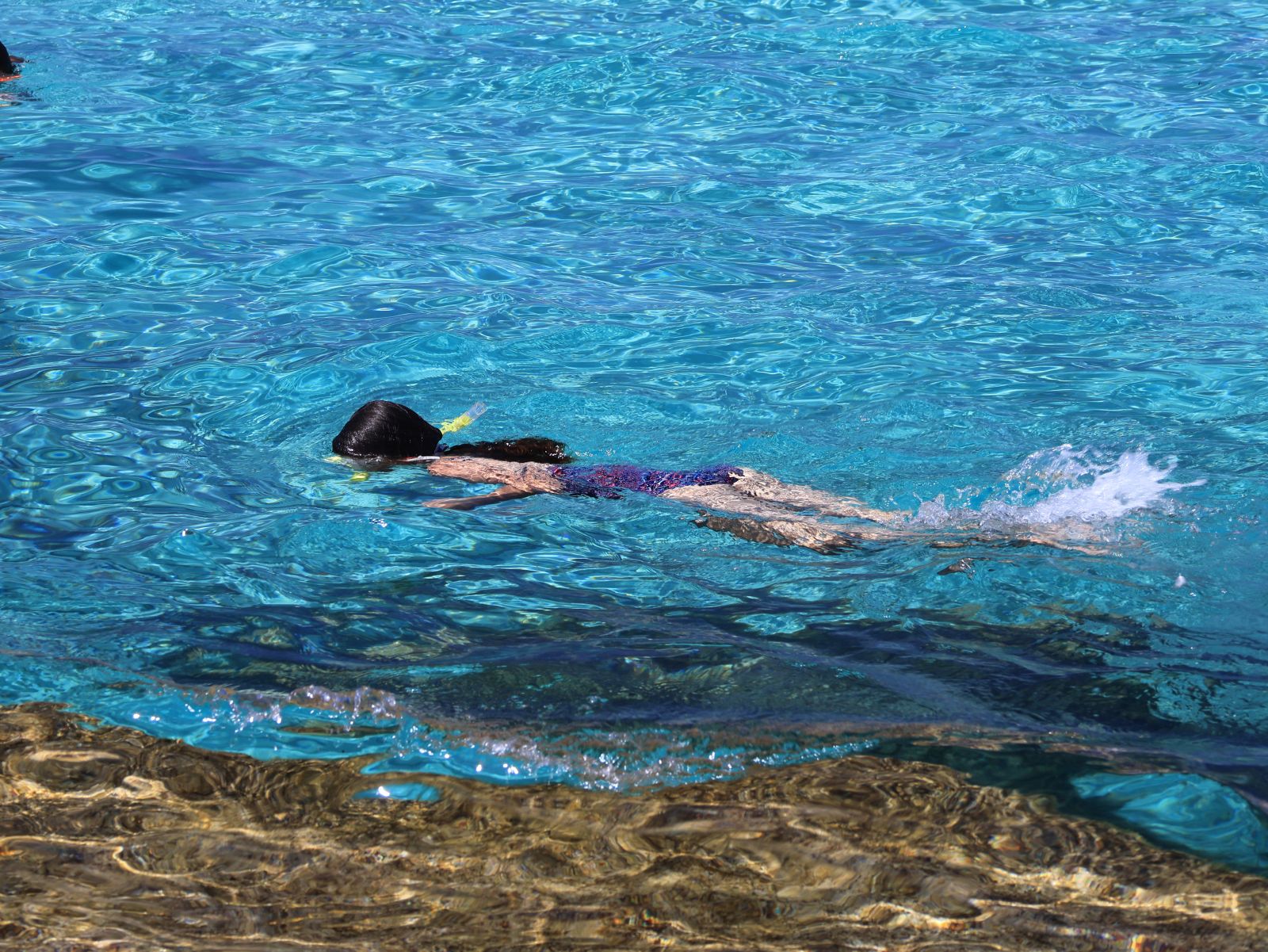
Swimming in Favignana's crystal-clear waters
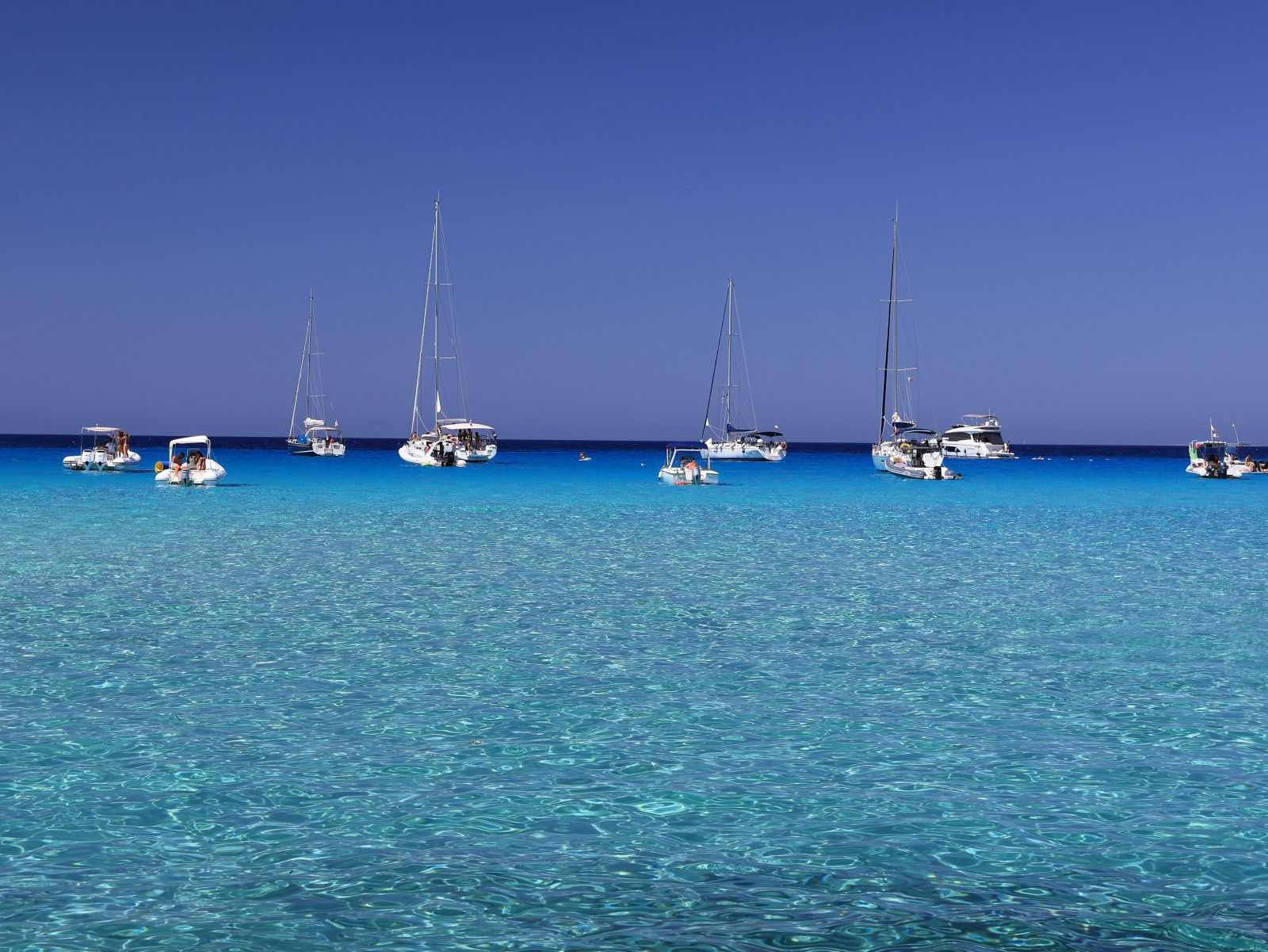
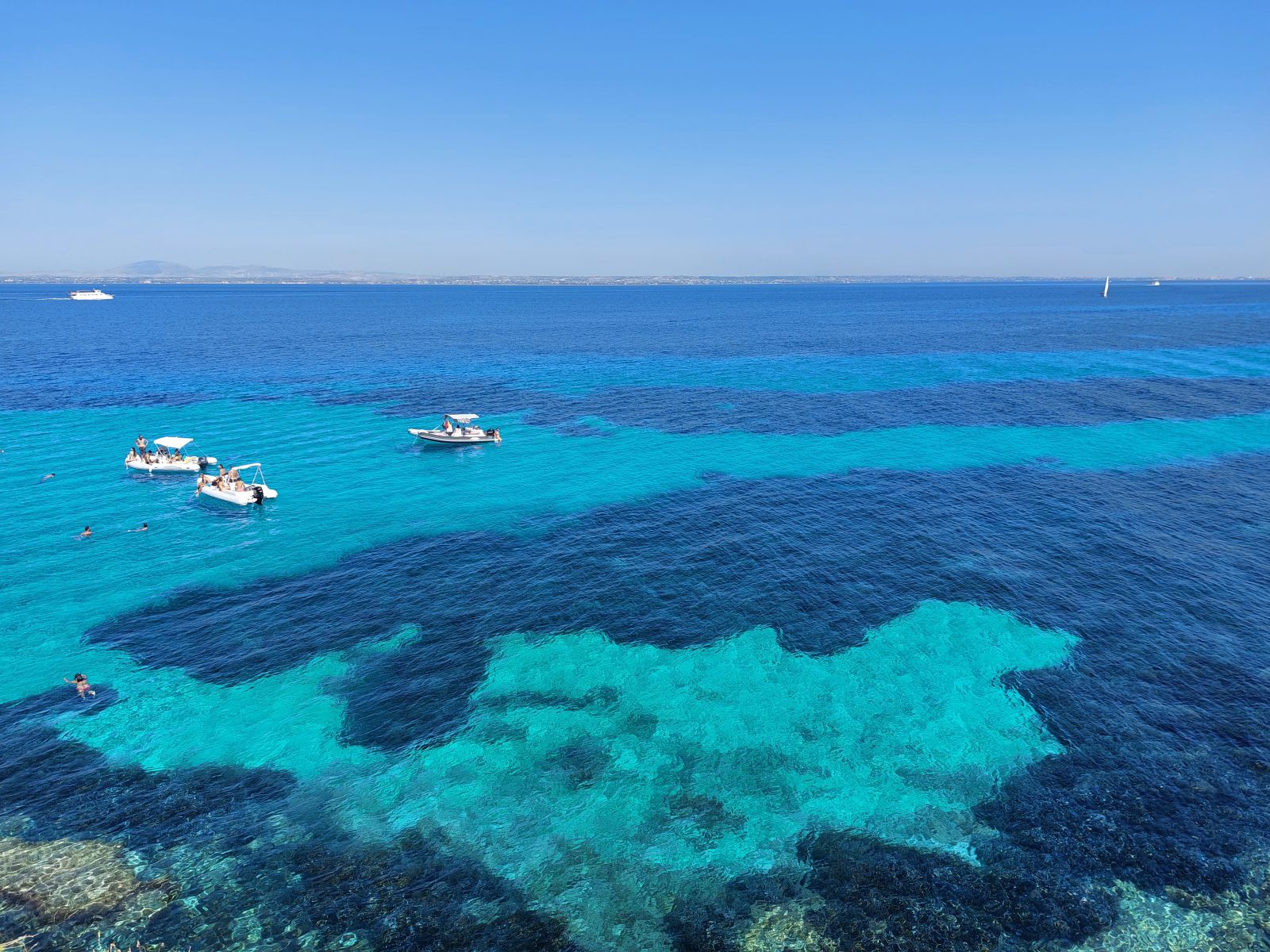
The bays of Cala Rossa and Bue Marino are incredible combinations of the quarries and the turquoise sea. I have traveled all around Italy, but I have seen similarly stunning colours in very few places. My other favourites are Baia di Porto Miggiano in Puglia, Baia Infreschi in Cilento and Paraggi Bay in Liguria.
So we were cycling around all day on quiet country roads, bay-hopping, swimming in the most picturesque coves of Favignana, the warm wind drying our wet hair, stopping for granitas and ice cold lemonades, feeling pure happiness.
The next day we discovered the western part of the island, stopping for a light lunch at the beach bar near the Punta Sottile lighthouse. This side is wilder and quieter, which I love, but the bays were less dramatic and less photogenic. If you only have a day, I recommend visiting the eastern part, but if you have more time, it’s worth discovering the western side as well, with its relaxed local vibe.
Of course, we also took the time to walk around Favignana town itself, in the center of the island, and learn about the fascinating history of the Florio family and tuna fishing.
Day trip to Levanzo and Marettimo
From Favignana, we took ferries to Levanzo and Marettimo. It was the end of June, and Levanzo was almost empty, perfect for a quiet and slow holiday. With its white houses and blue shutters, Levanzo looks like a Greek island, and I was told it was repainted in these colours in the 1970s, after the tourism boom in Greece. After enjoying another gelato at the Arcobaleno bar, we walked to Cala Faraglione for a refreshing swim.
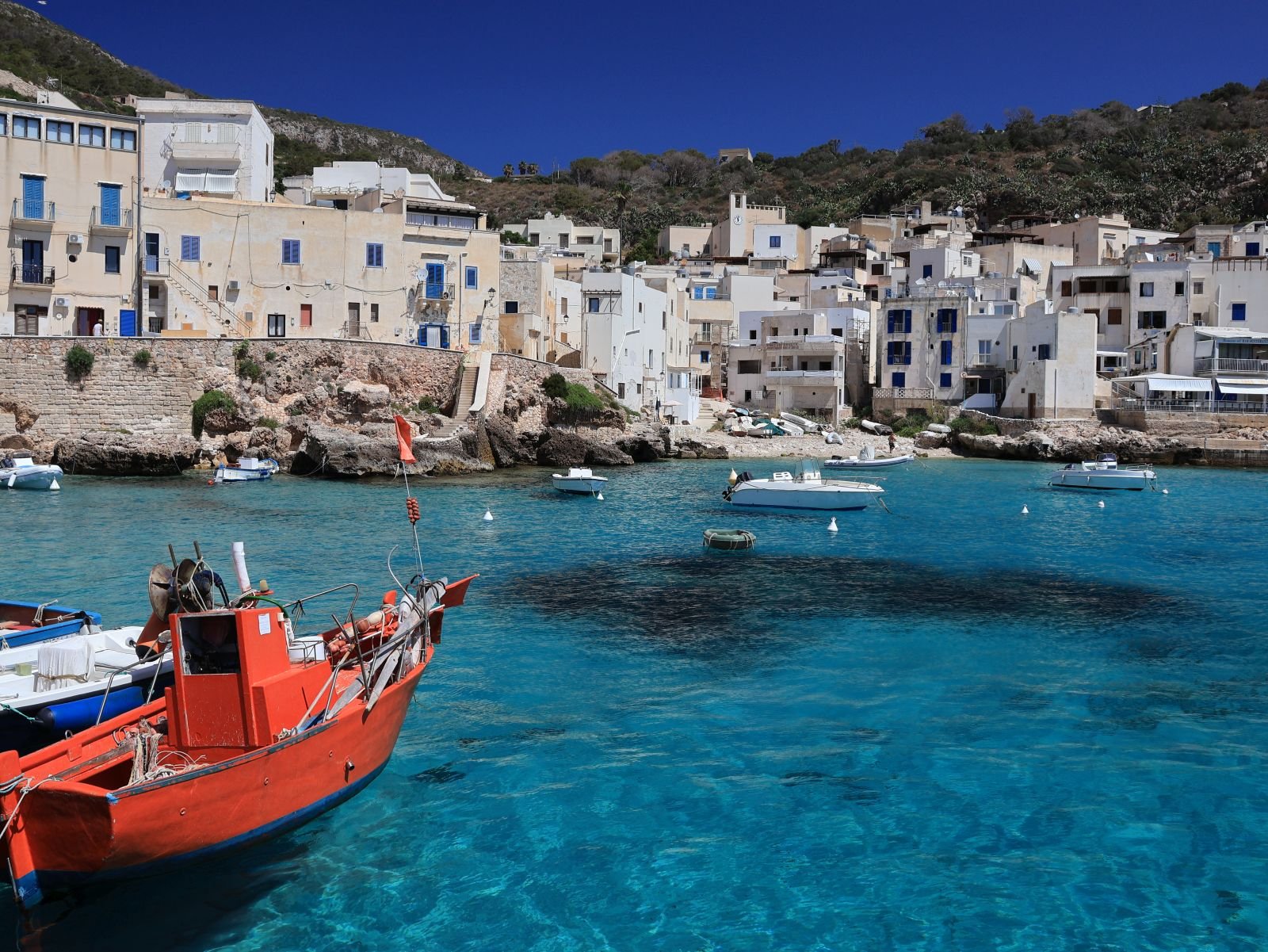
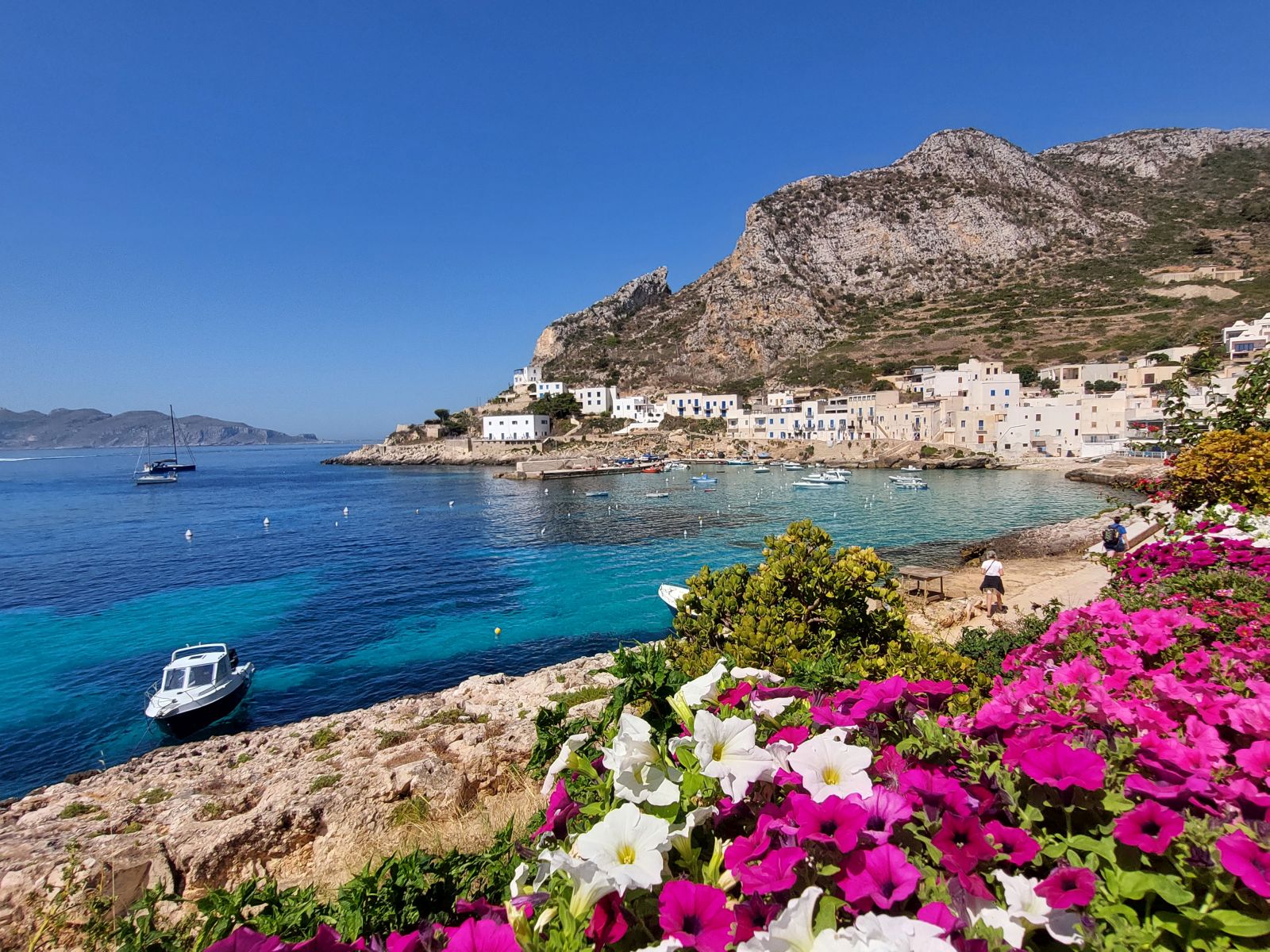
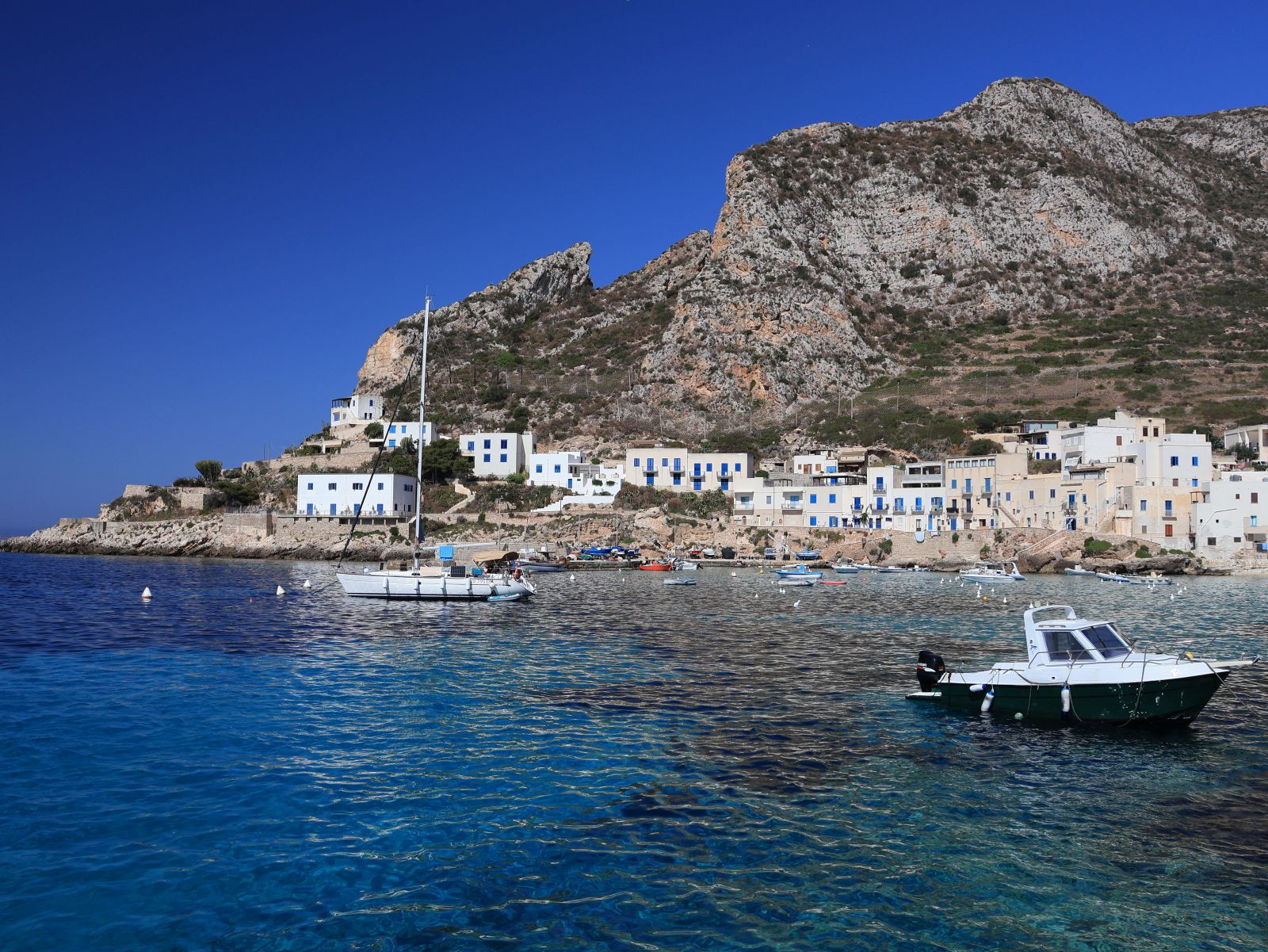
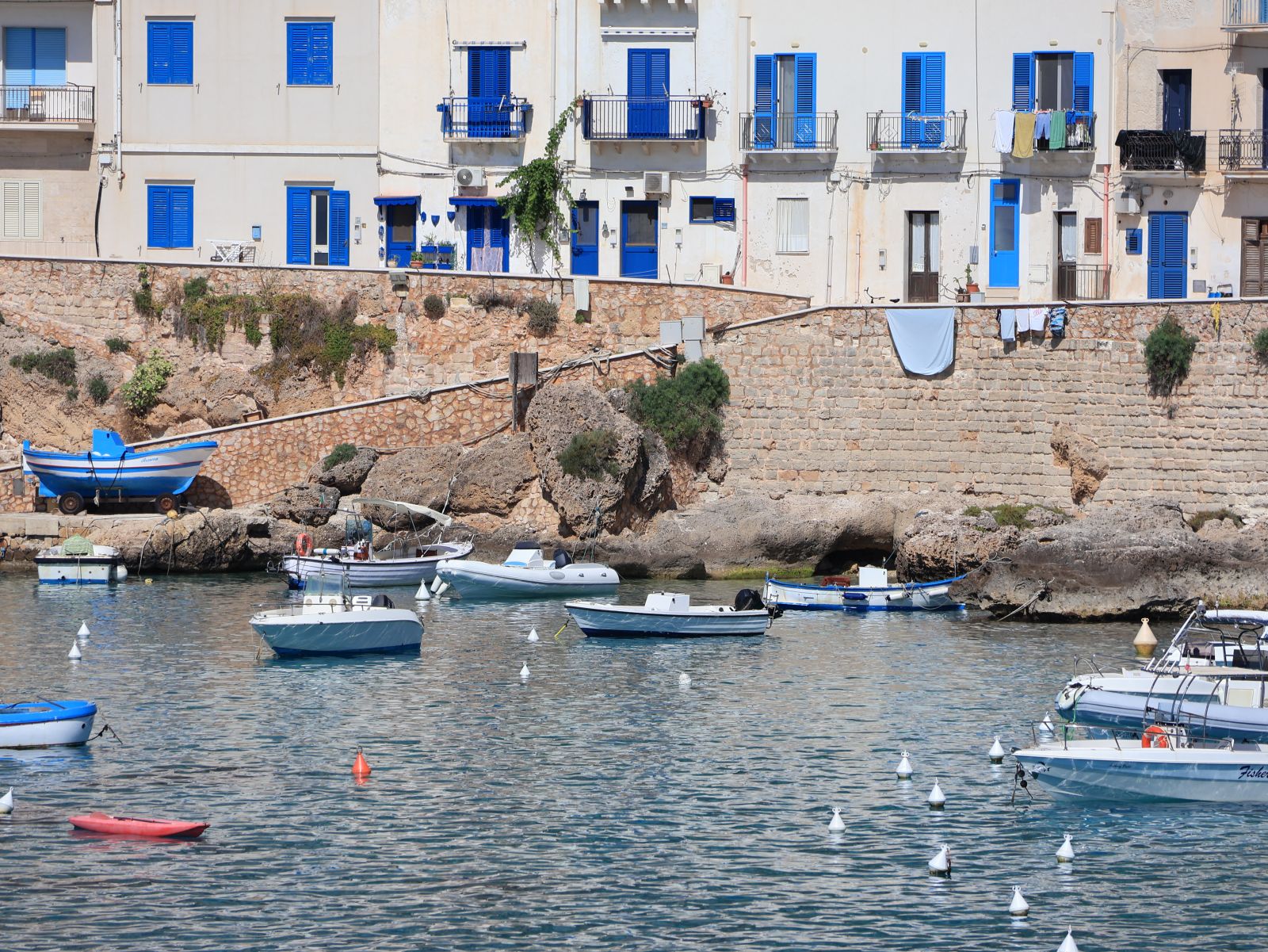
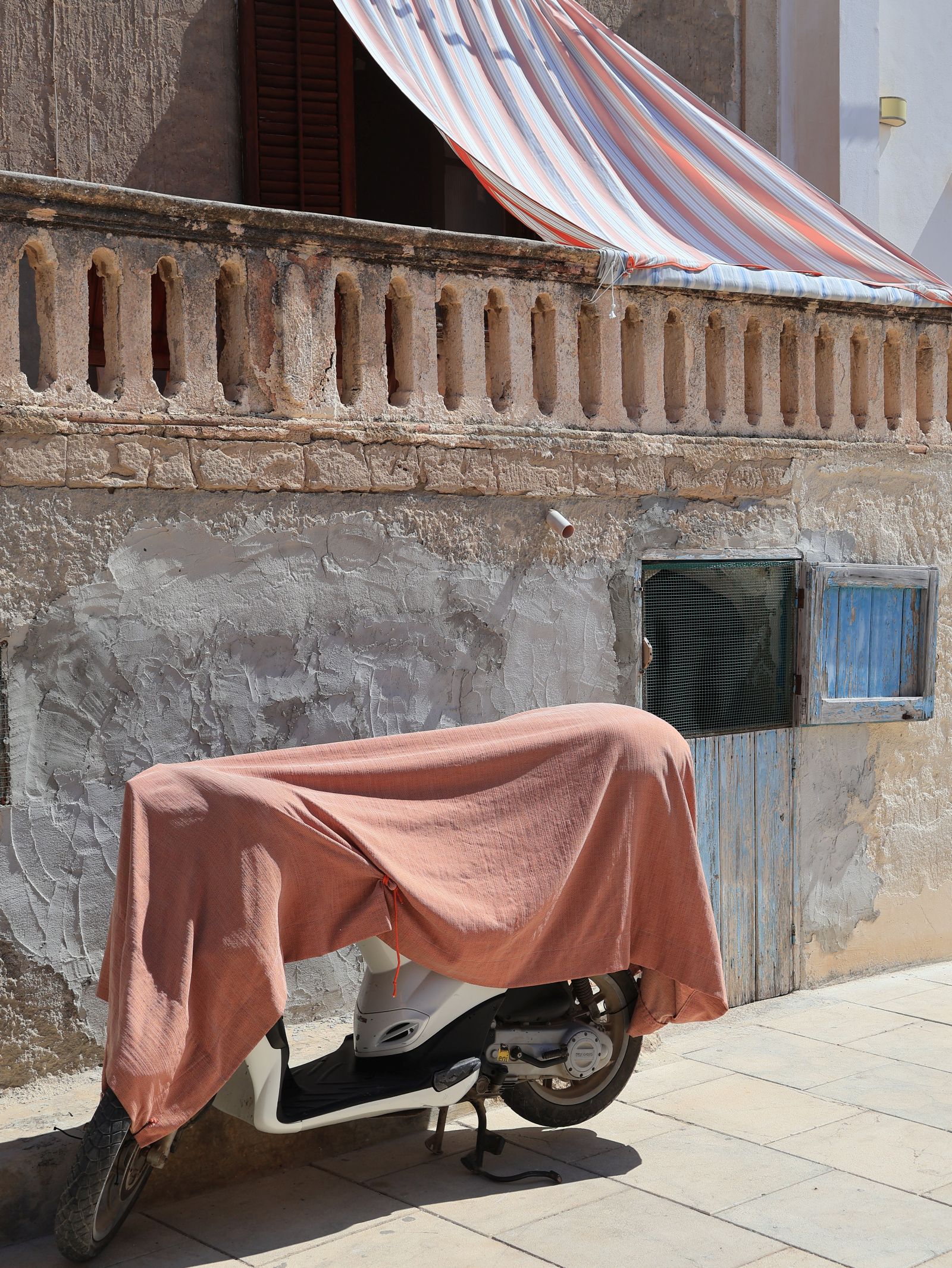
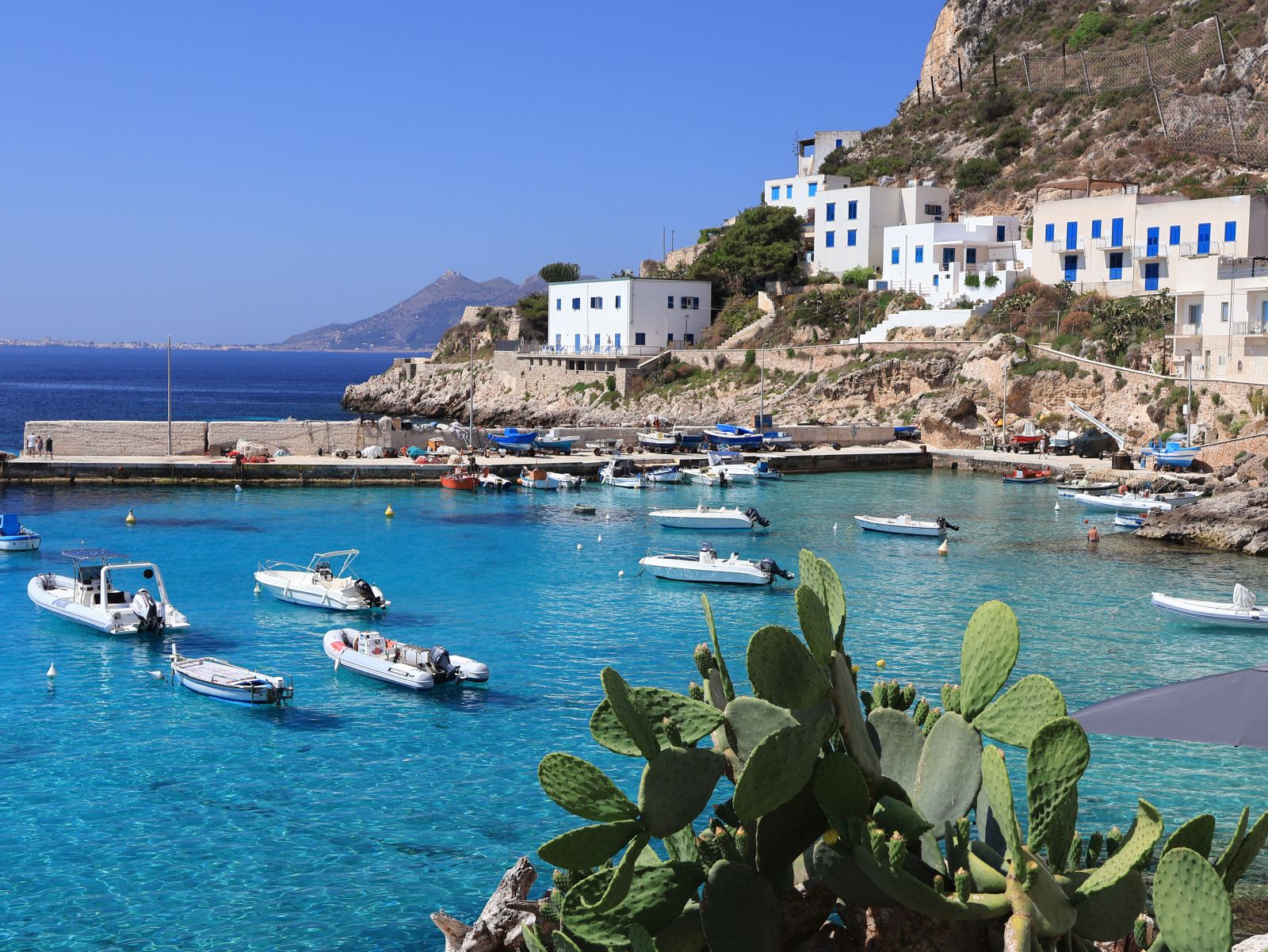
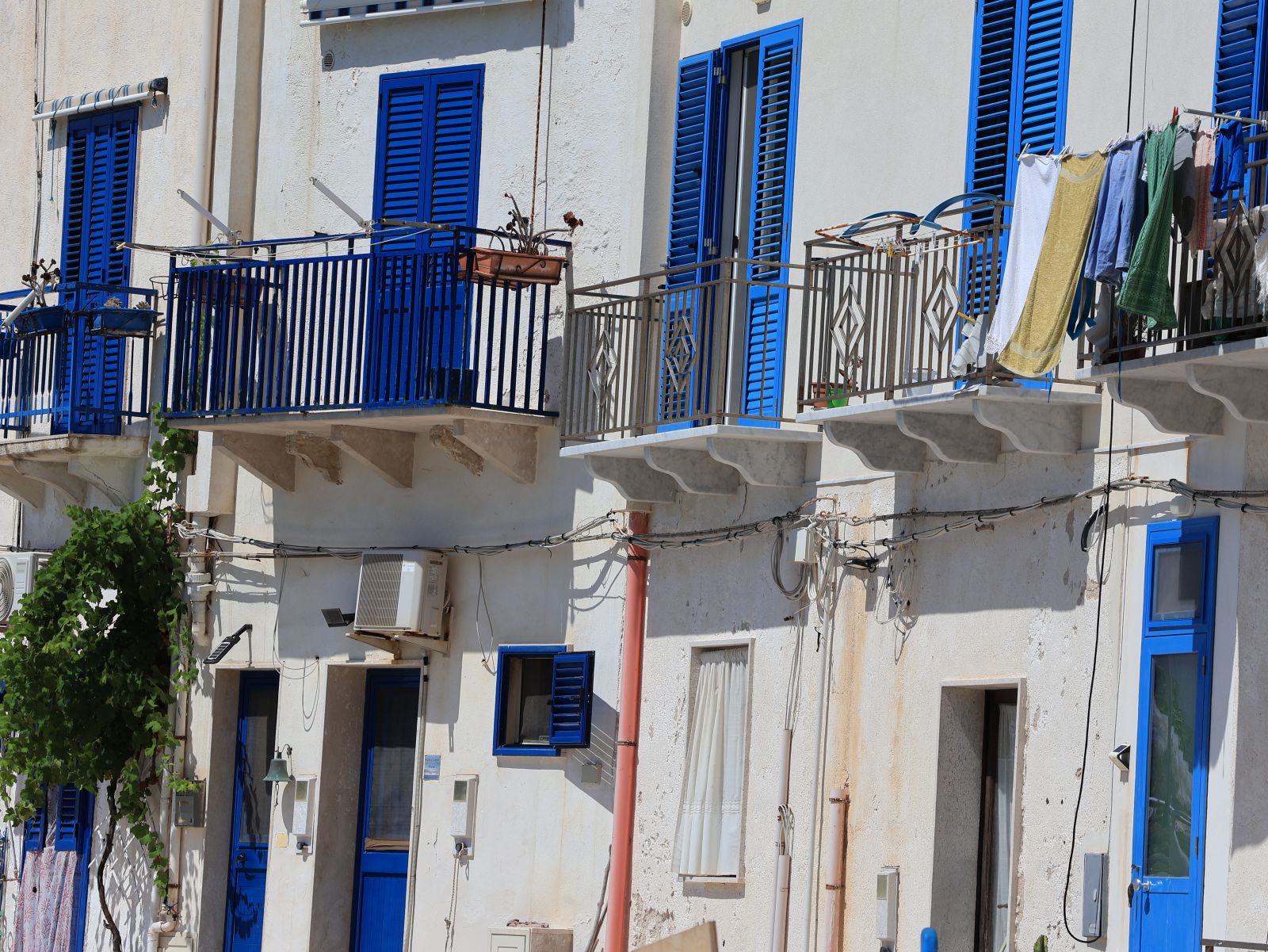
The view along the trail was quite barren, but stunning. At the beach, we talked to a group of friends who had arrived by rubber boat, and they told us Marettimo was the best island for a boat tour.
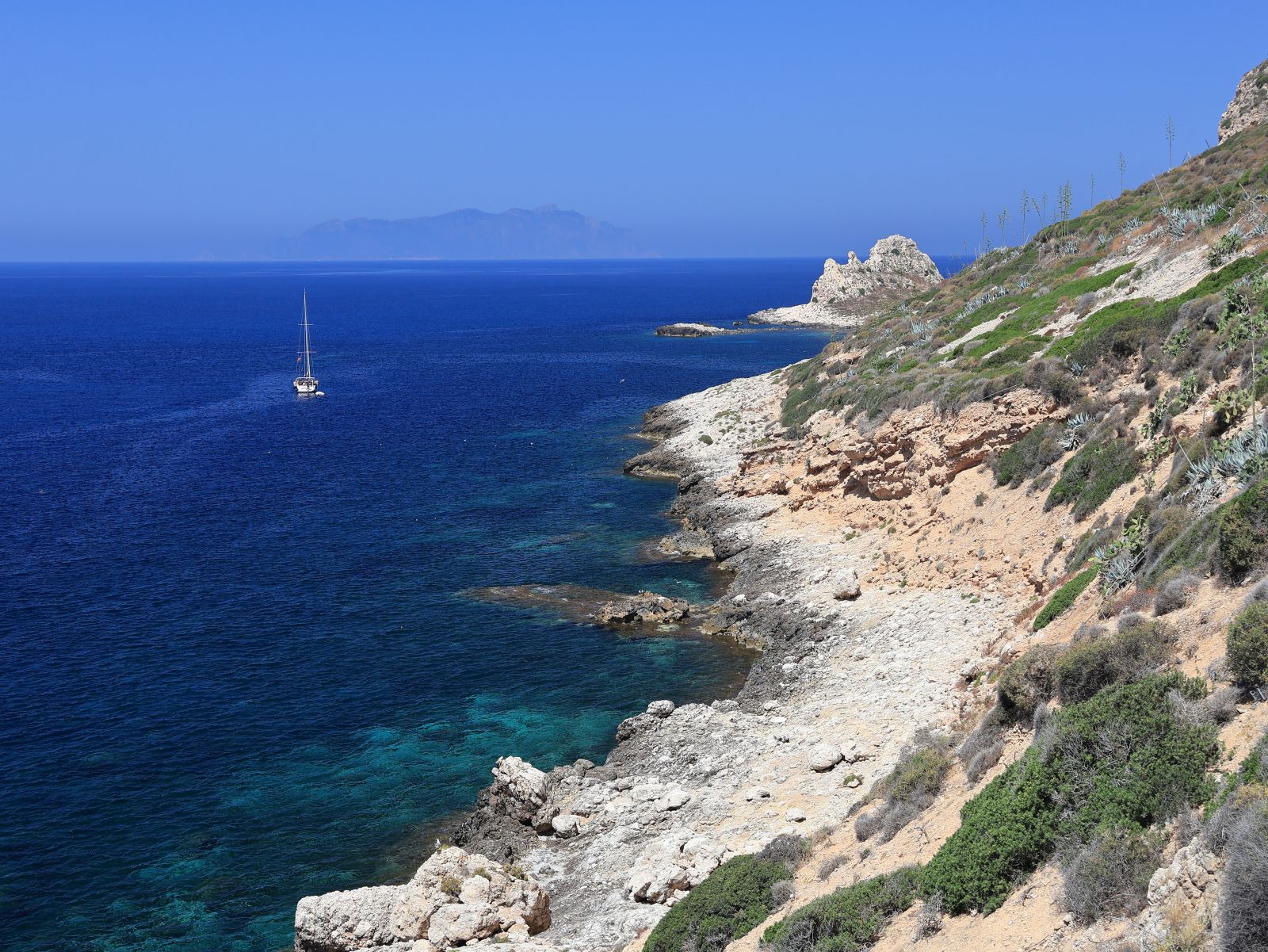
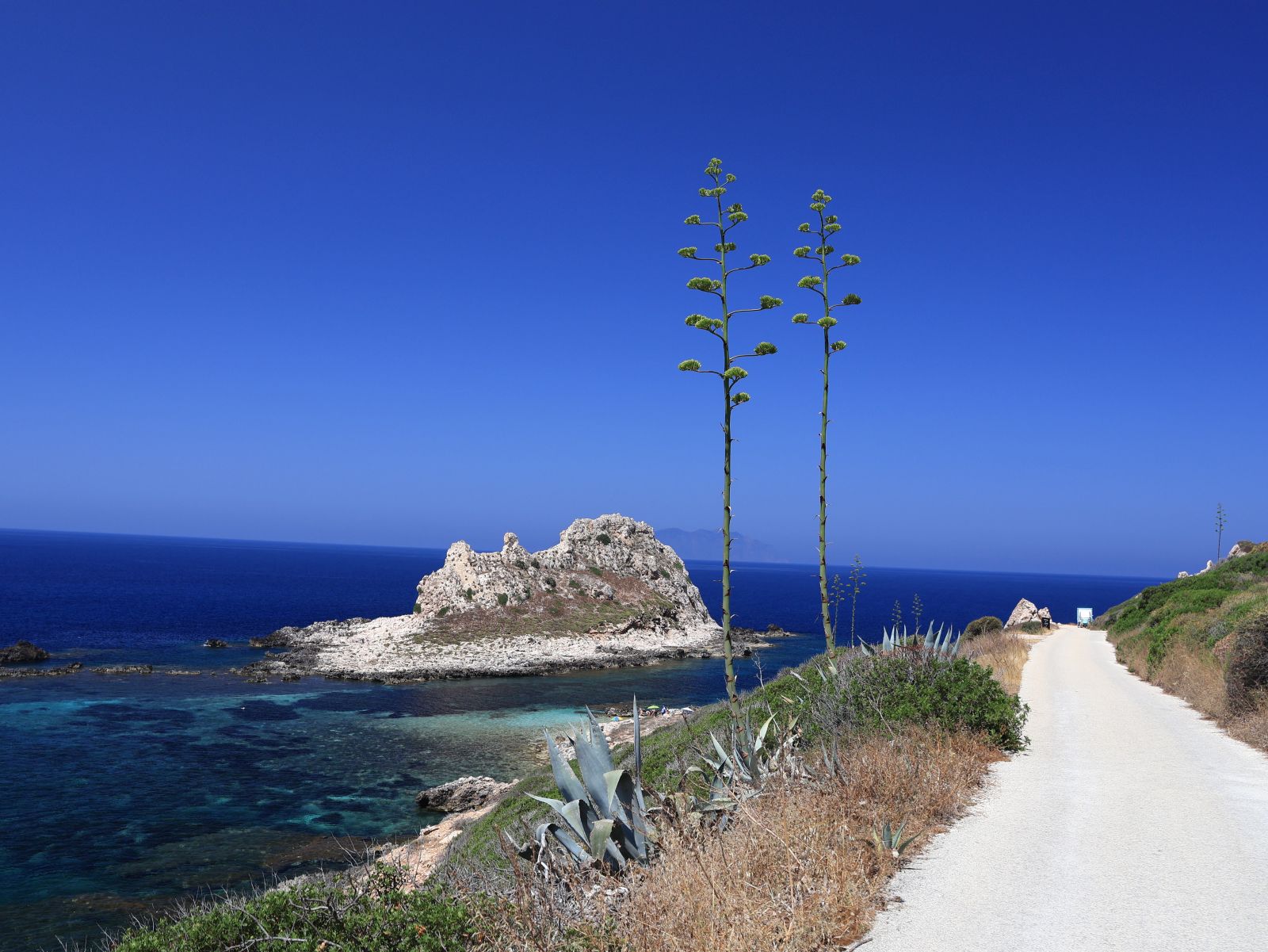
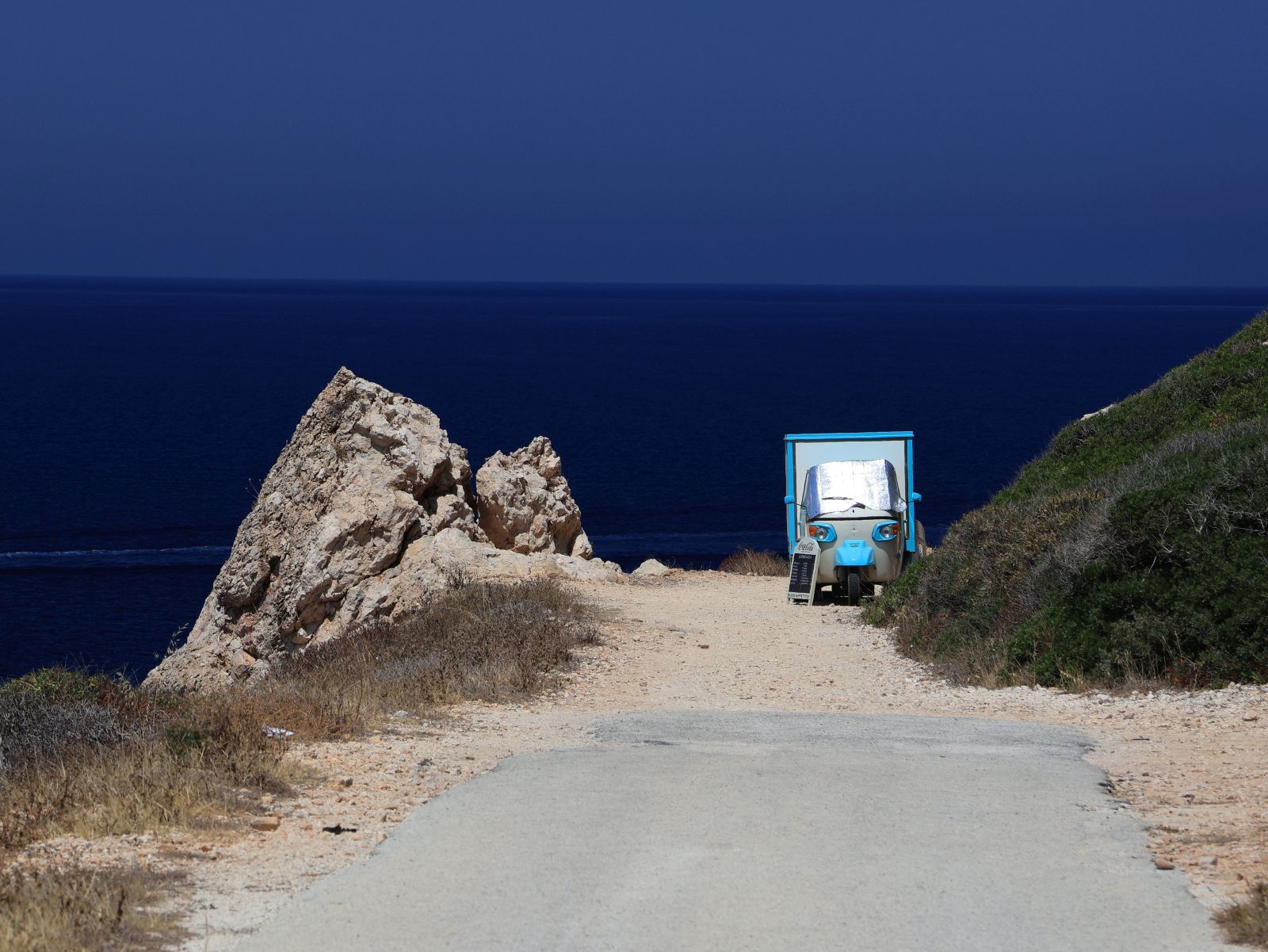
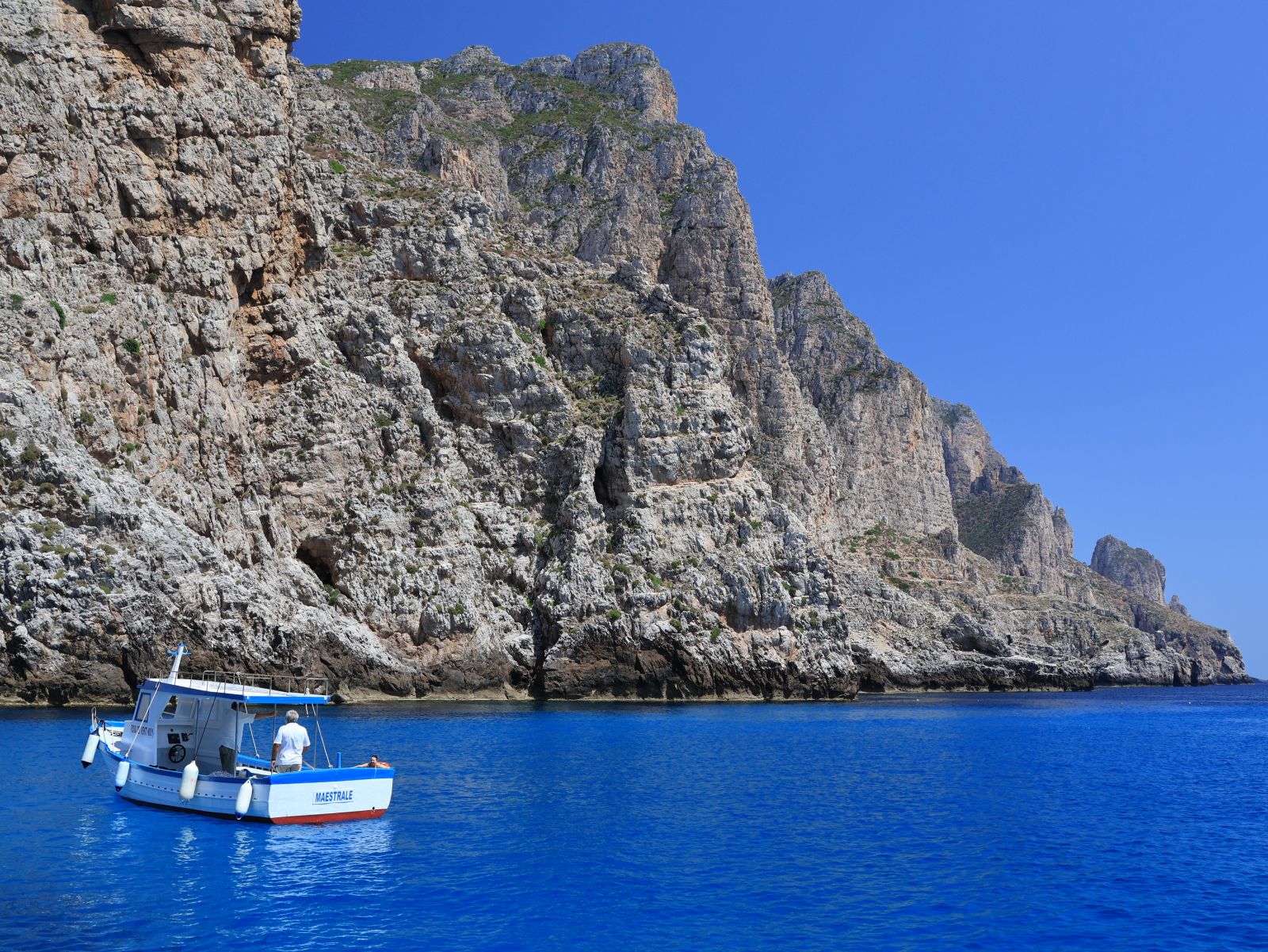
So we took the afternoon ferry to Marettimo and joined a small boat tour around the island.
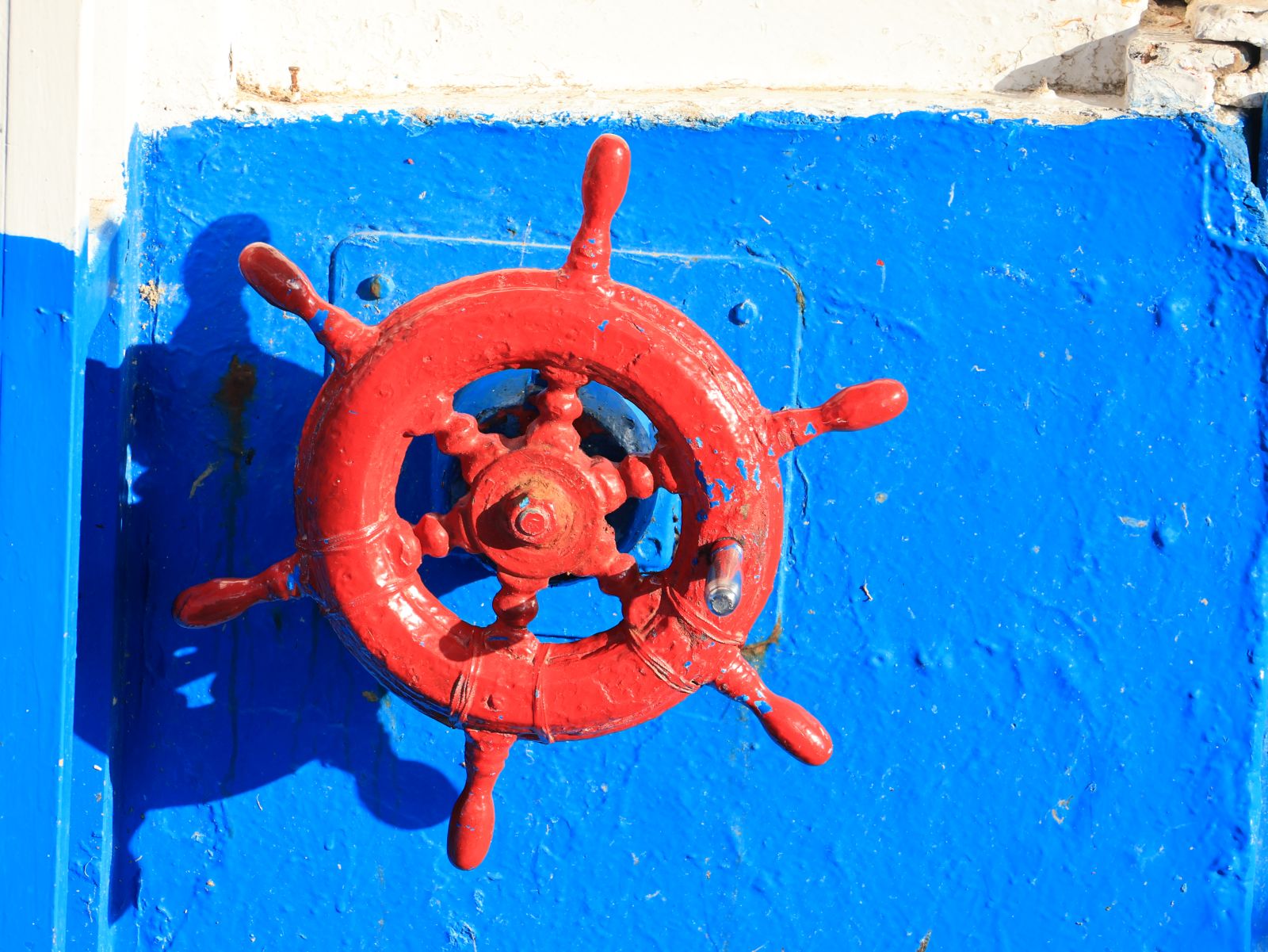
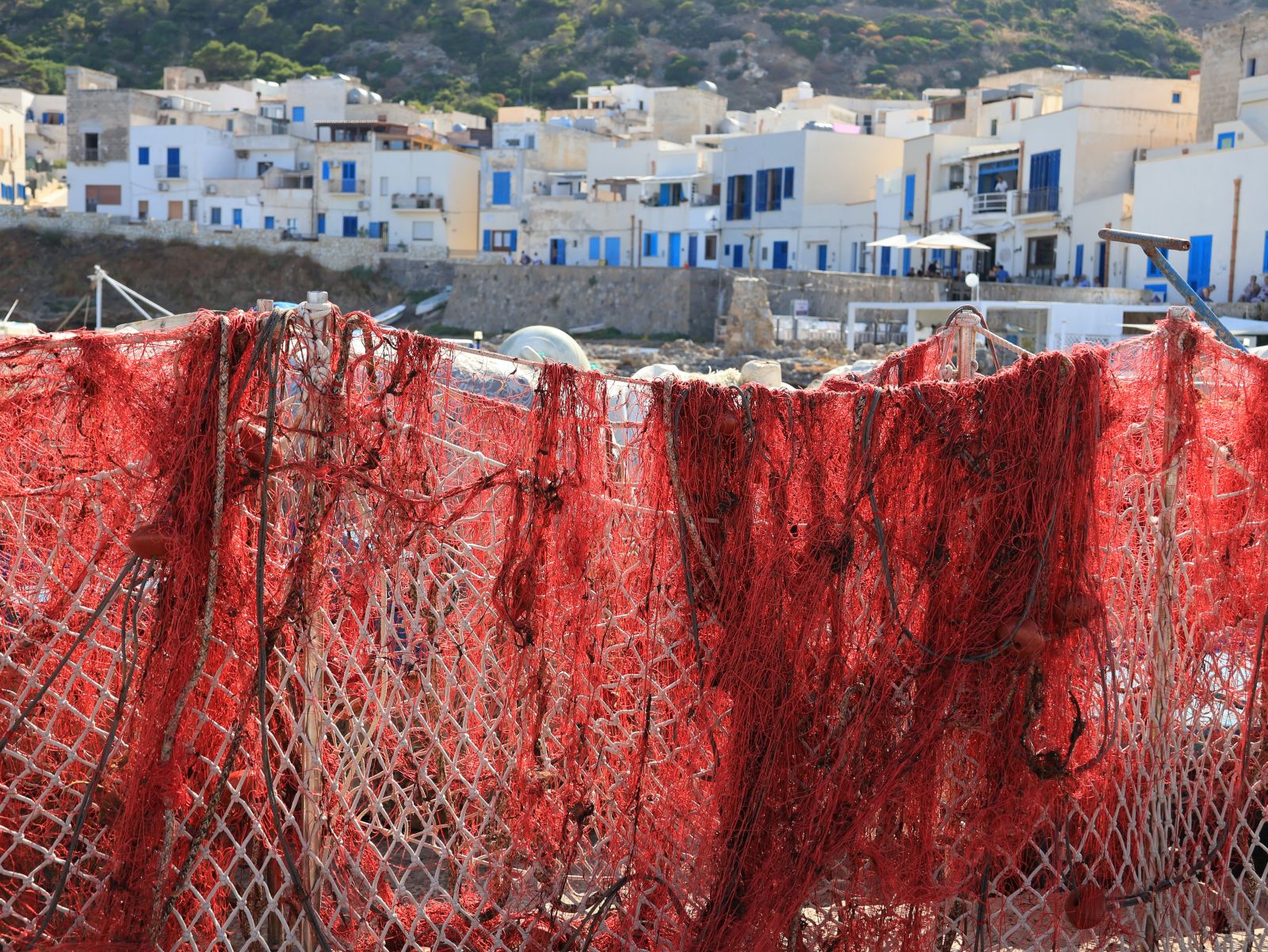
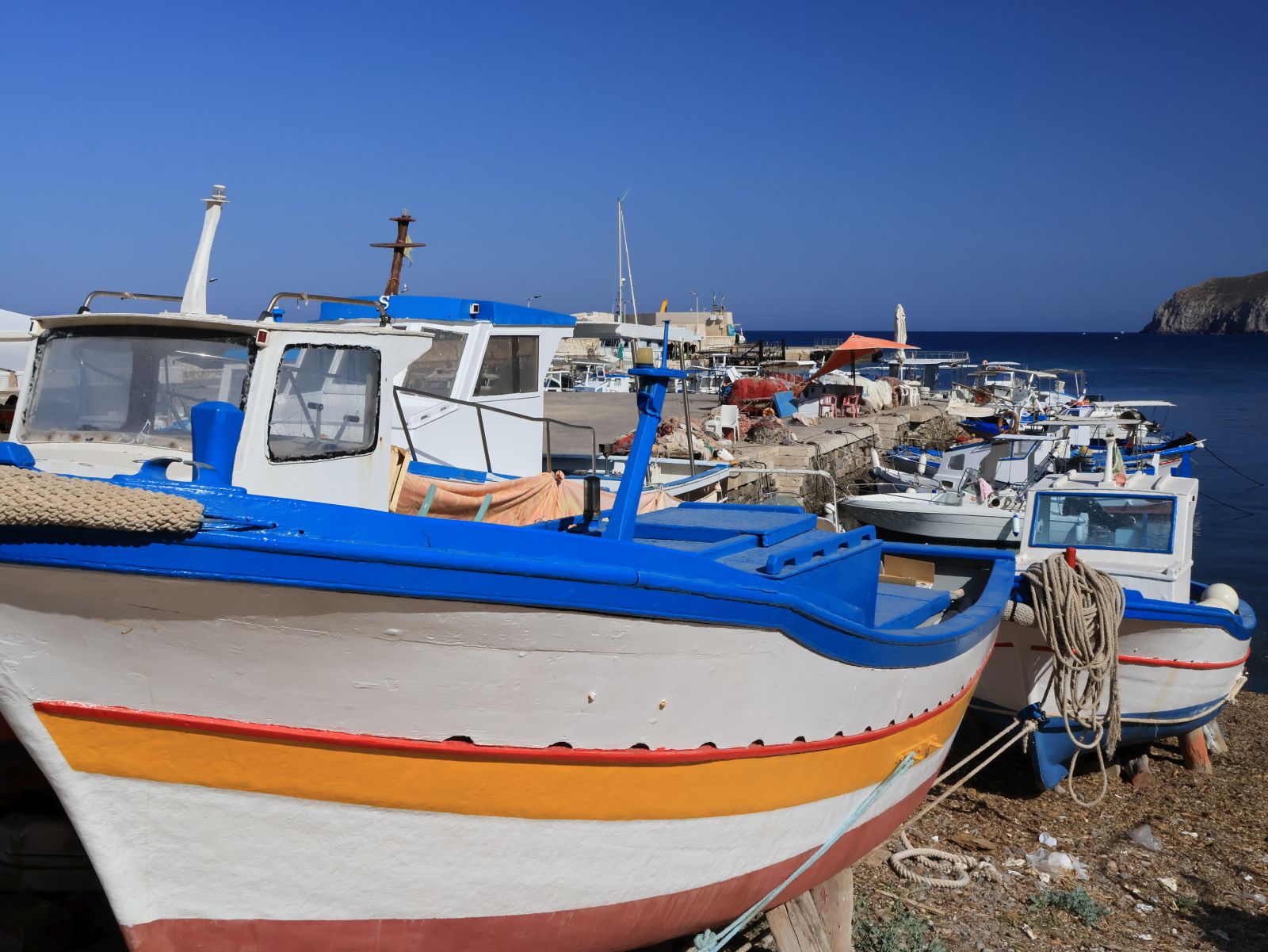
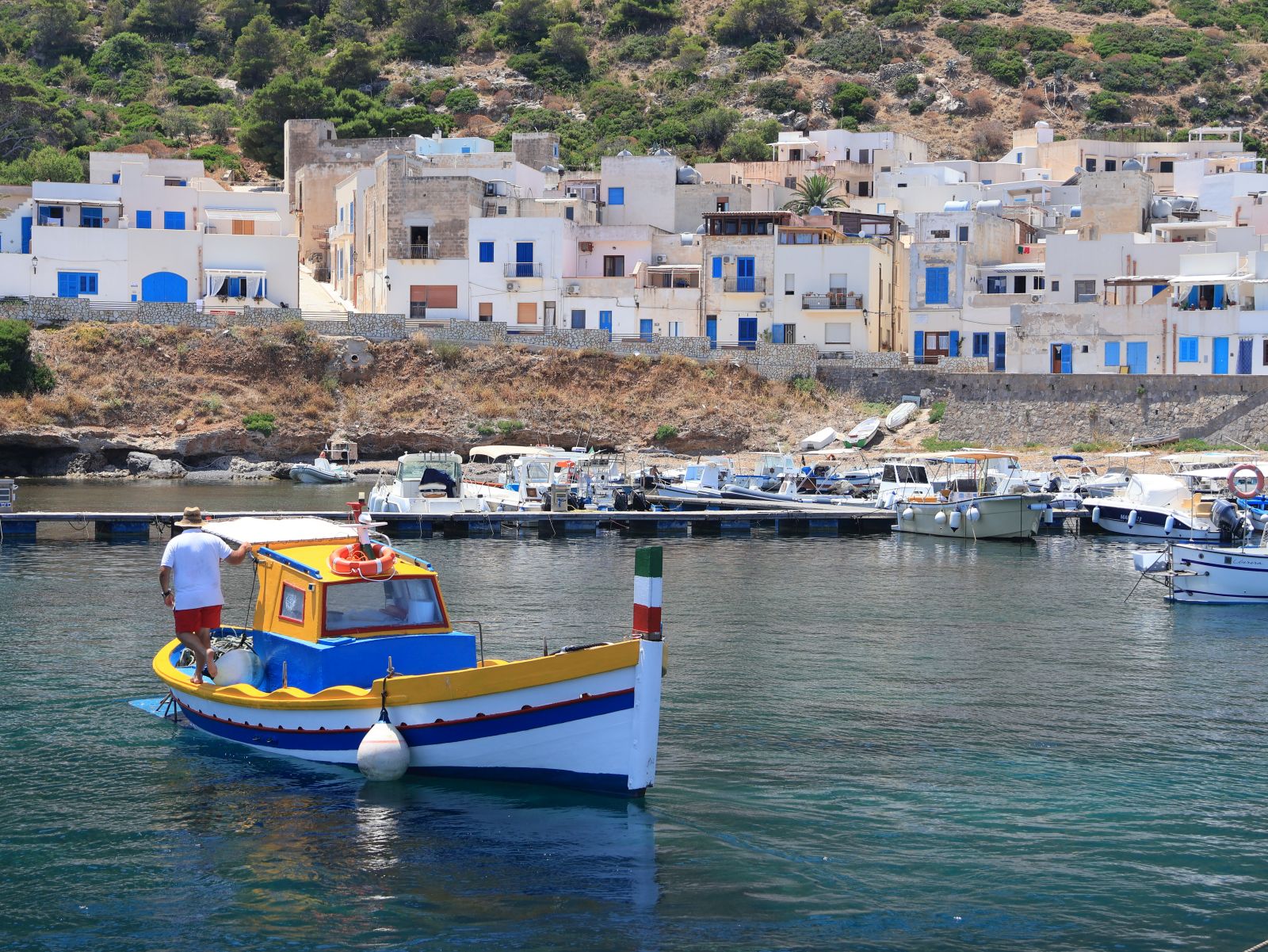
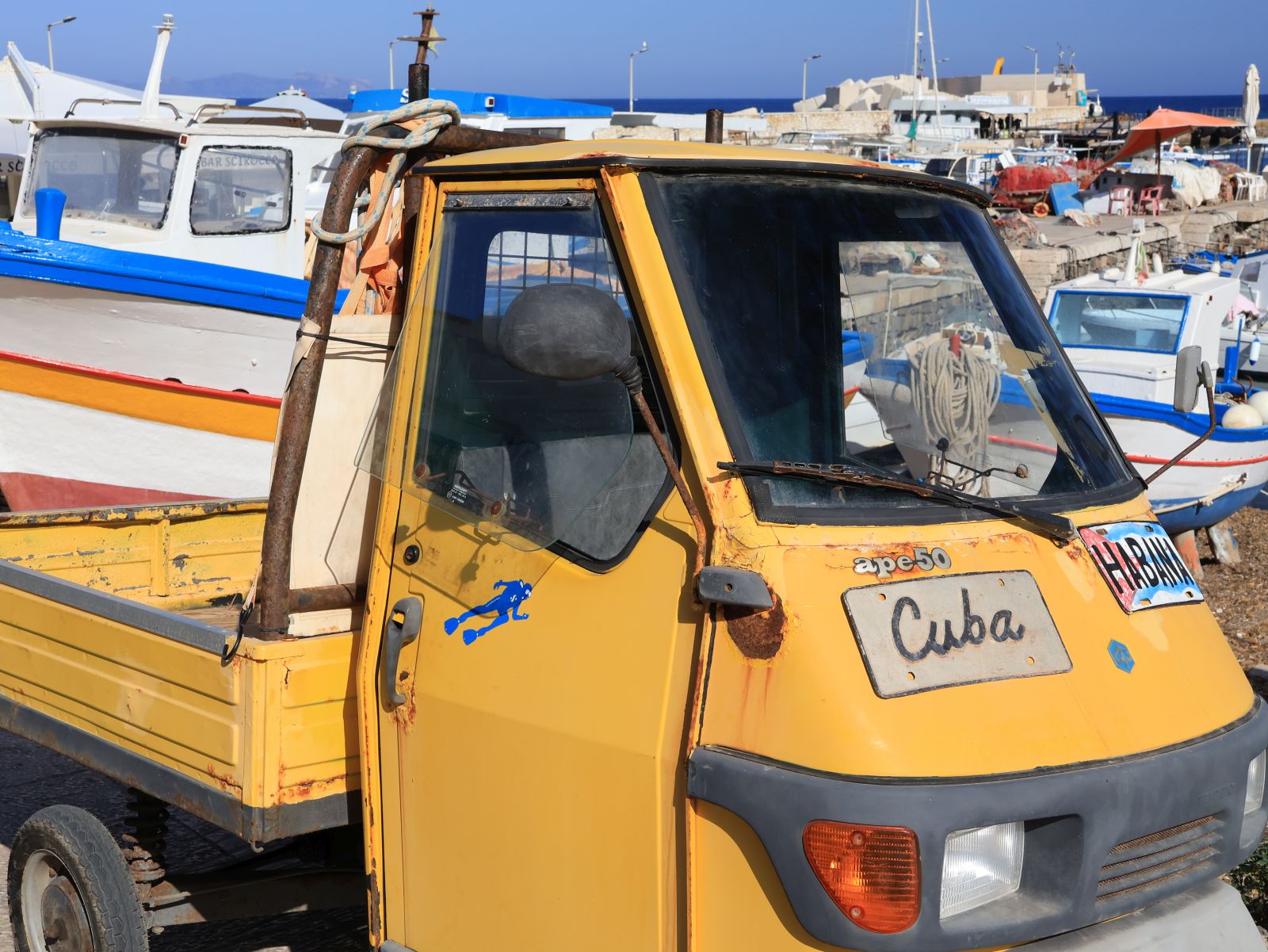
Before departure, we had some time to pick up some cold drinks at the bar and take some photos of the colourful little port, full of fishing boats, nets and ropes. I might have been a fisherman in my previous life, as I never get tired of fishing villages, and I have thousands of similar photos from all around Italy.
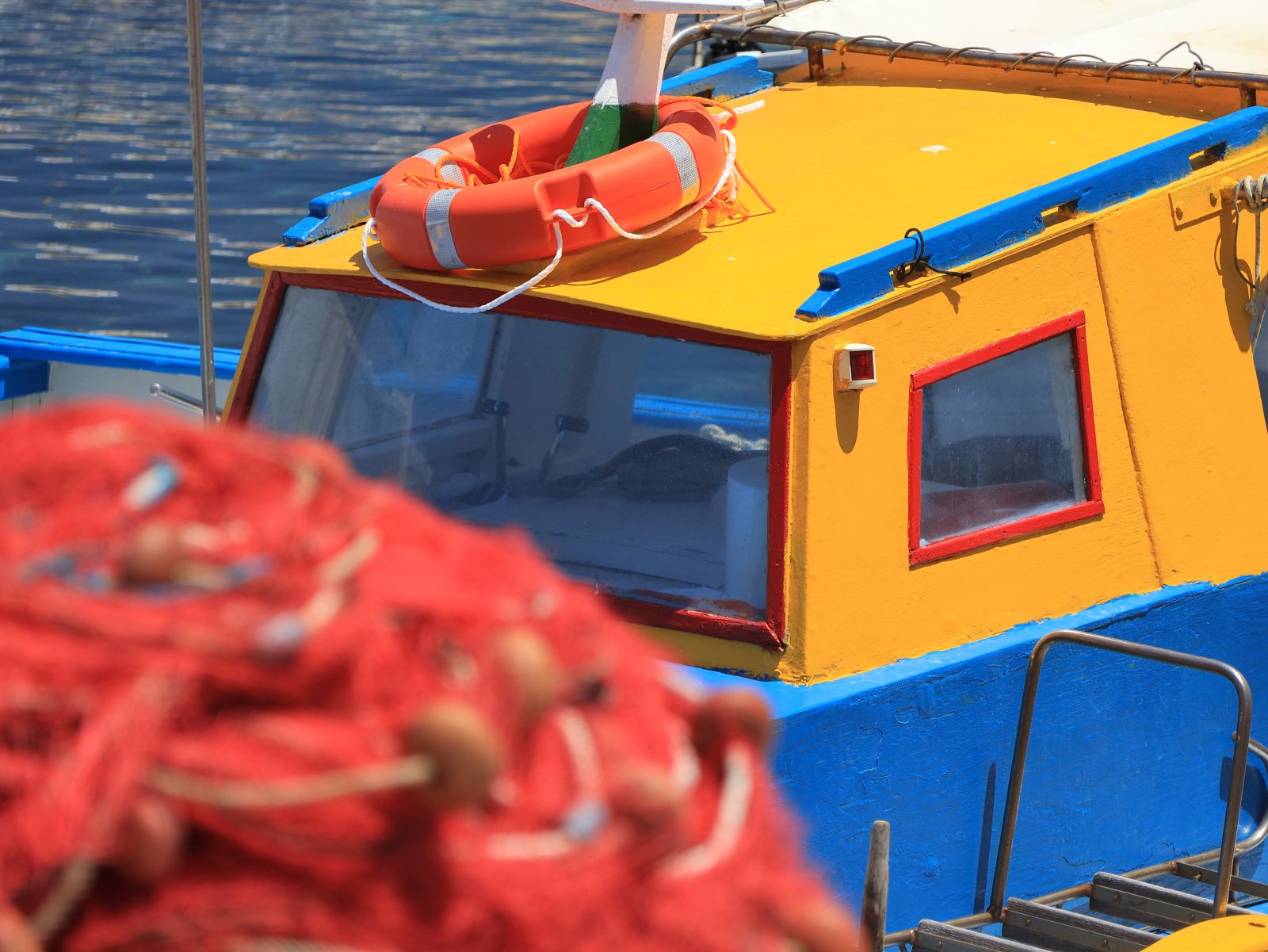
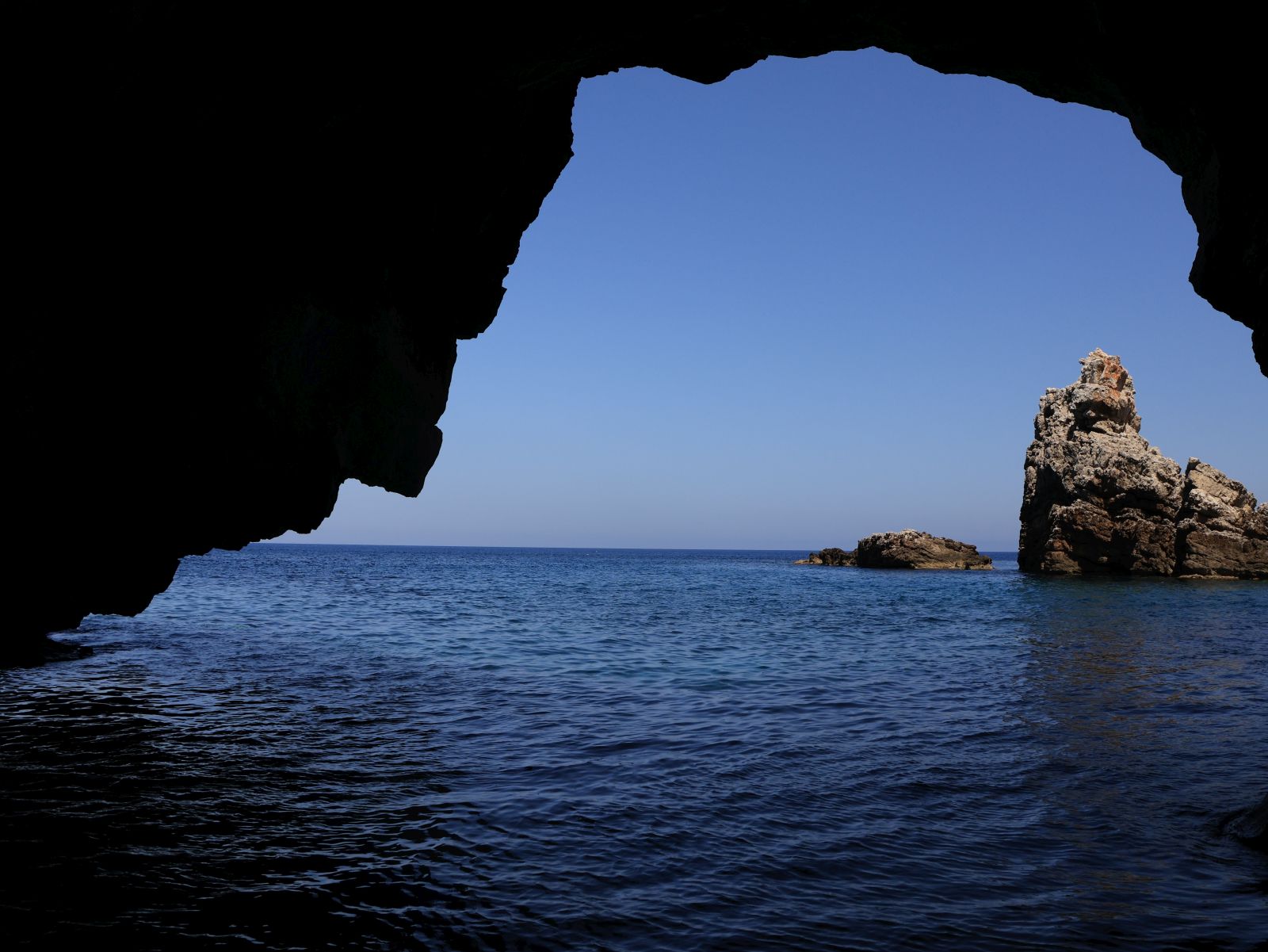
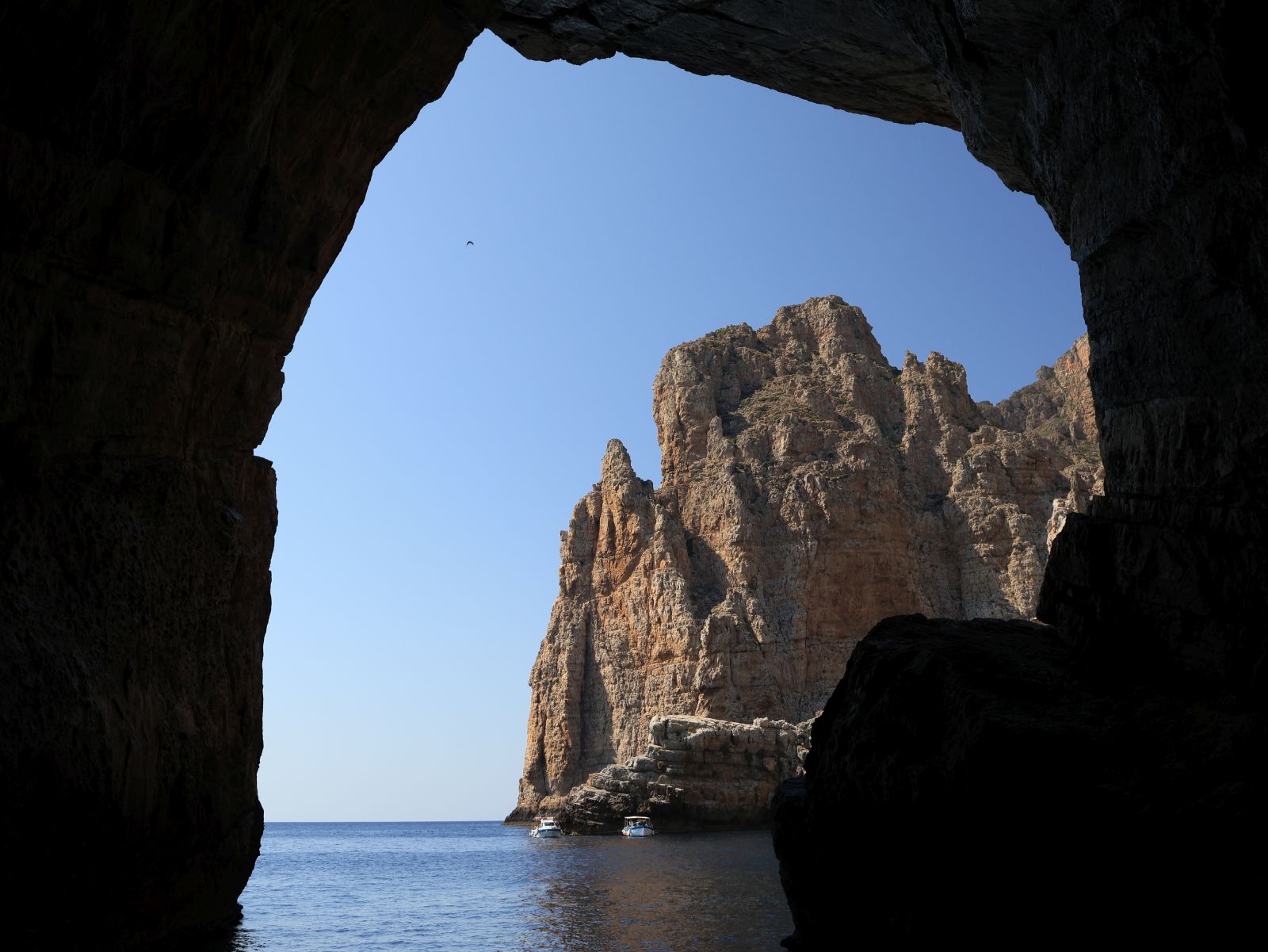
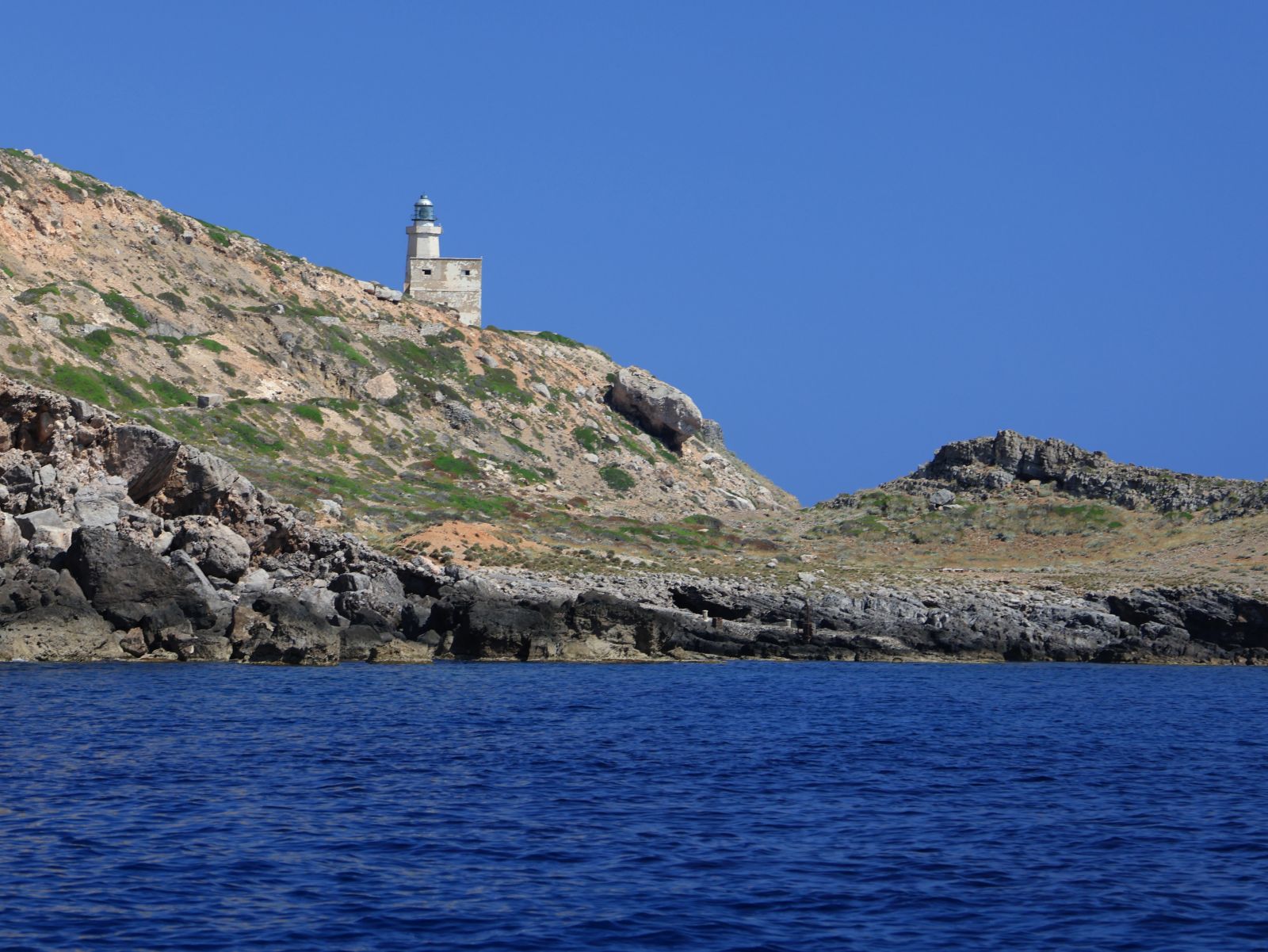
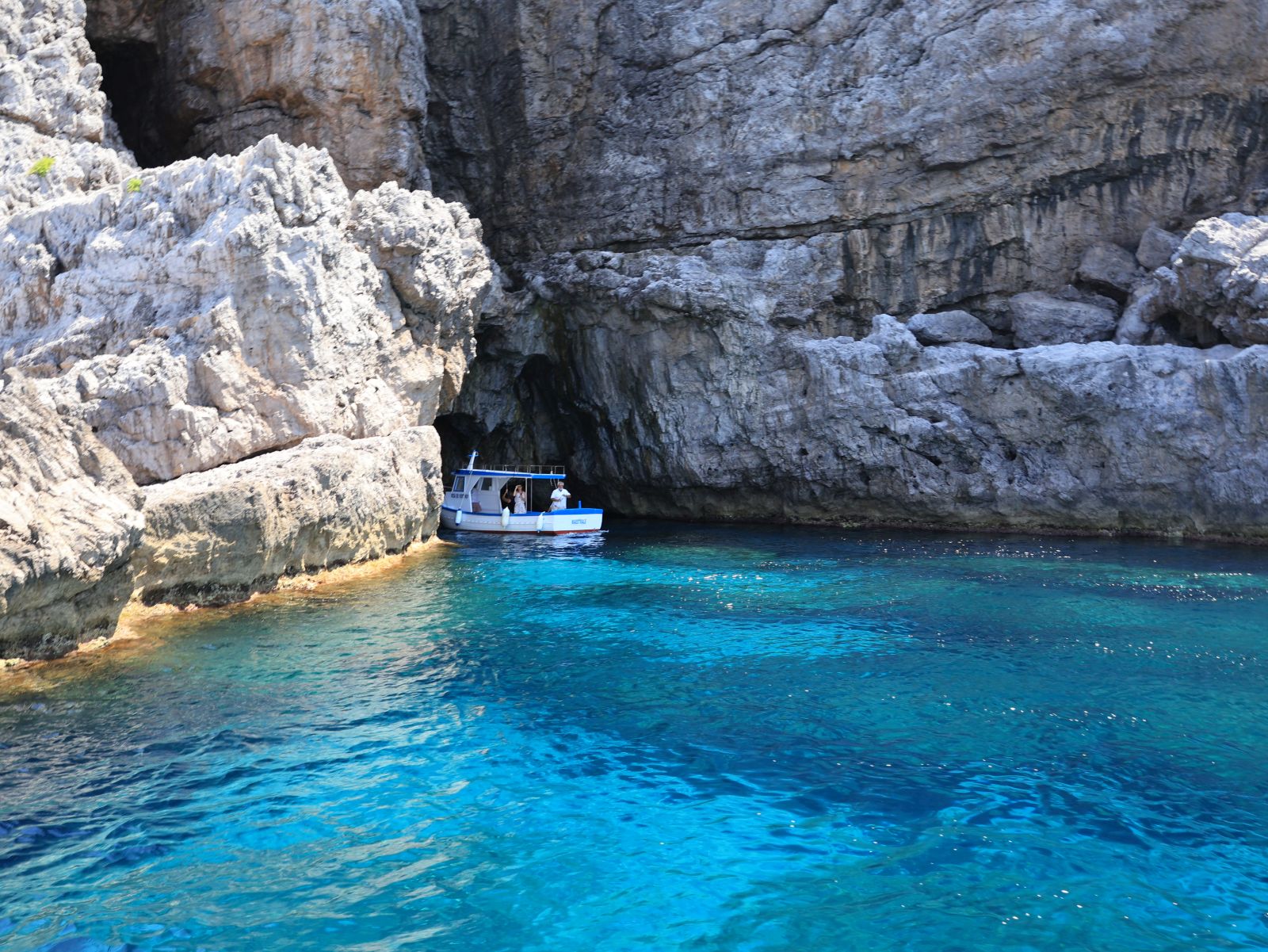
Our captain, Michele, told us that their island was the only Egadi island with natural freshwater springs, which is why it is much greener. It’s the best island for hikers, with several hiking trails in all directions. We loved swimming off the boat and the best part was swimming through a completely dark sea cave.
Michele stopped at a sea cave and told us it had two entrances. Then he asked: „Are you brave enough to swim in through one entrance and out through the other?” Some hesitated, but we all went for it. Holding hands with my family, we swam in total darkness. Michele gave a tip: put your head under the water with goggles on, and you’ll see the light. He was right. Swimming underwater, the glow guided us. It was scary, challenging, magical, and breathtaking all at once. I can’t wait to swim there again when we return with our group at the beginning of October. I hope everyone will be brave enough to join us.
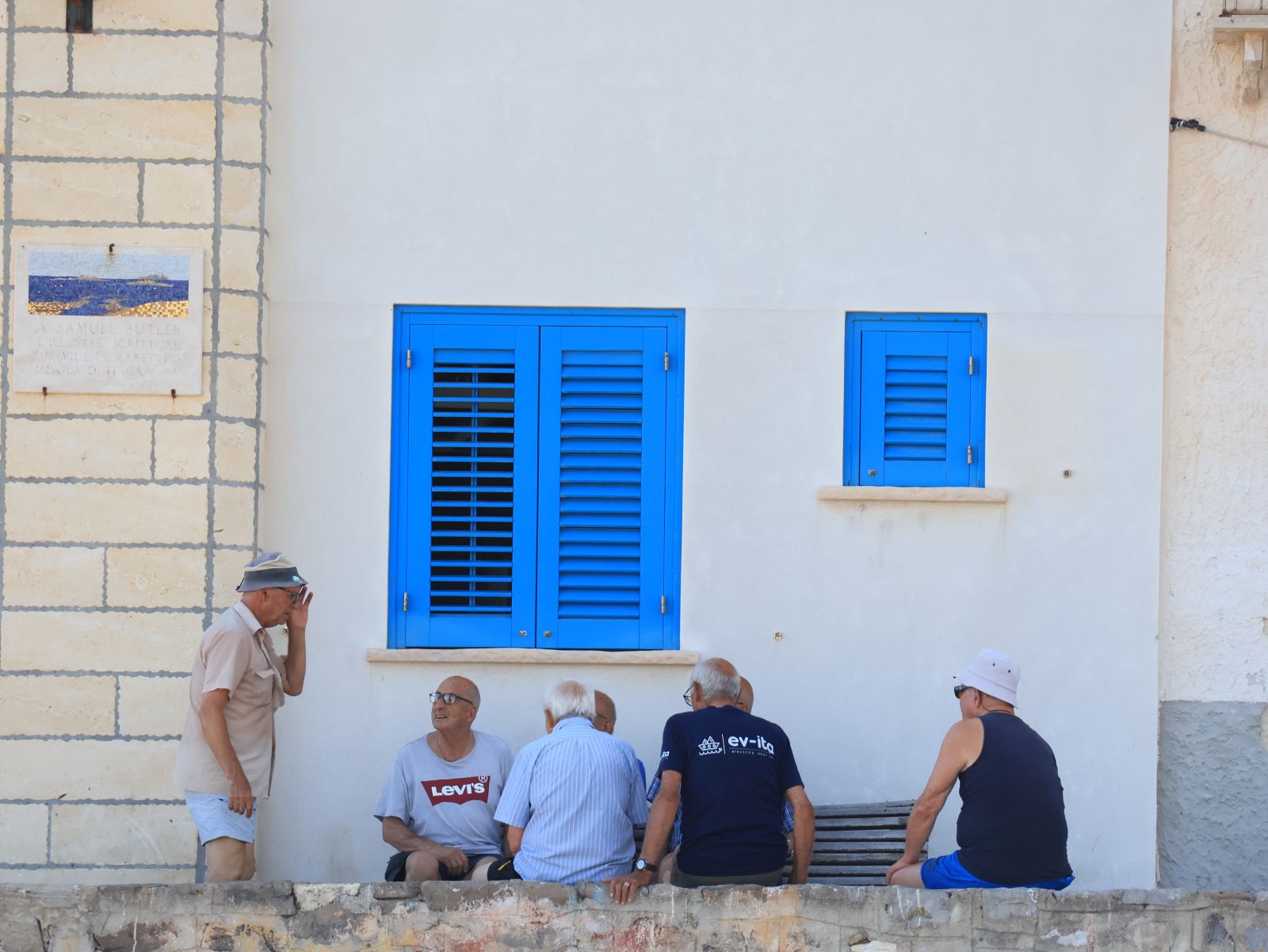
When we got back to the village, it was aperitivo time. There were very few travelers around, but the villagers got together for their daily meetup. We walked around the village and stopped at a cool shop selling beautiful ceramics. I found a book about Marettimo that seemed interesting, but in the end, I didn’t have time to buy it, as we had to rush to catch the last ferry back to Favignana. How much I hate rushing! I wish we could do everything more slowly.
In search of a guidebook
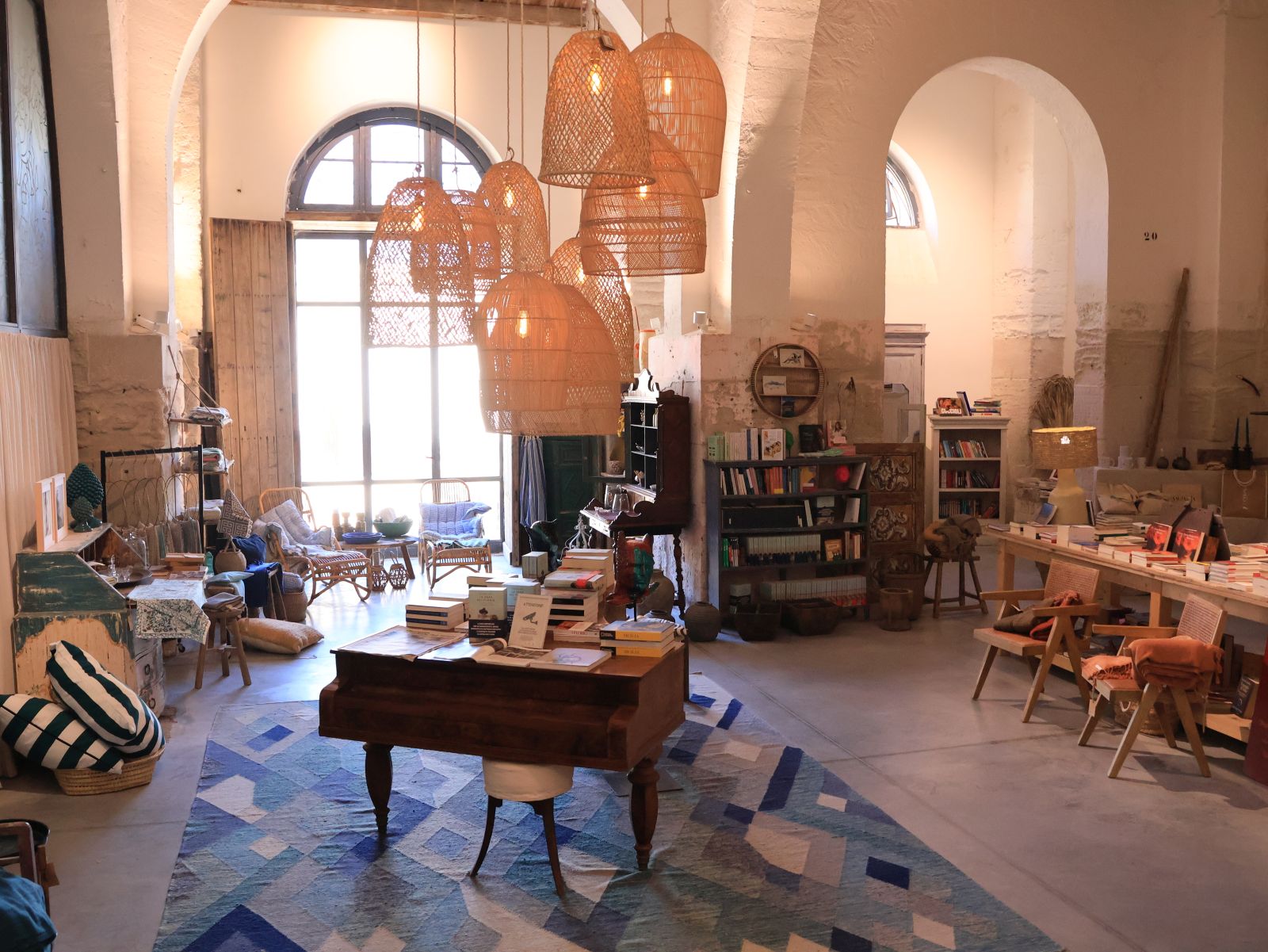
I was sad I could not buy the book, but I was sure I would get it in Favignana. This led to a series of small surprises. The first surprise was that there is no proper bookshop on Favignana. There is a small newsstand selling some books, but not what I was looking for. Then I was sent over to the Camparia Bottega, which turned out to be one of the most beautiful shops I have ever seen.
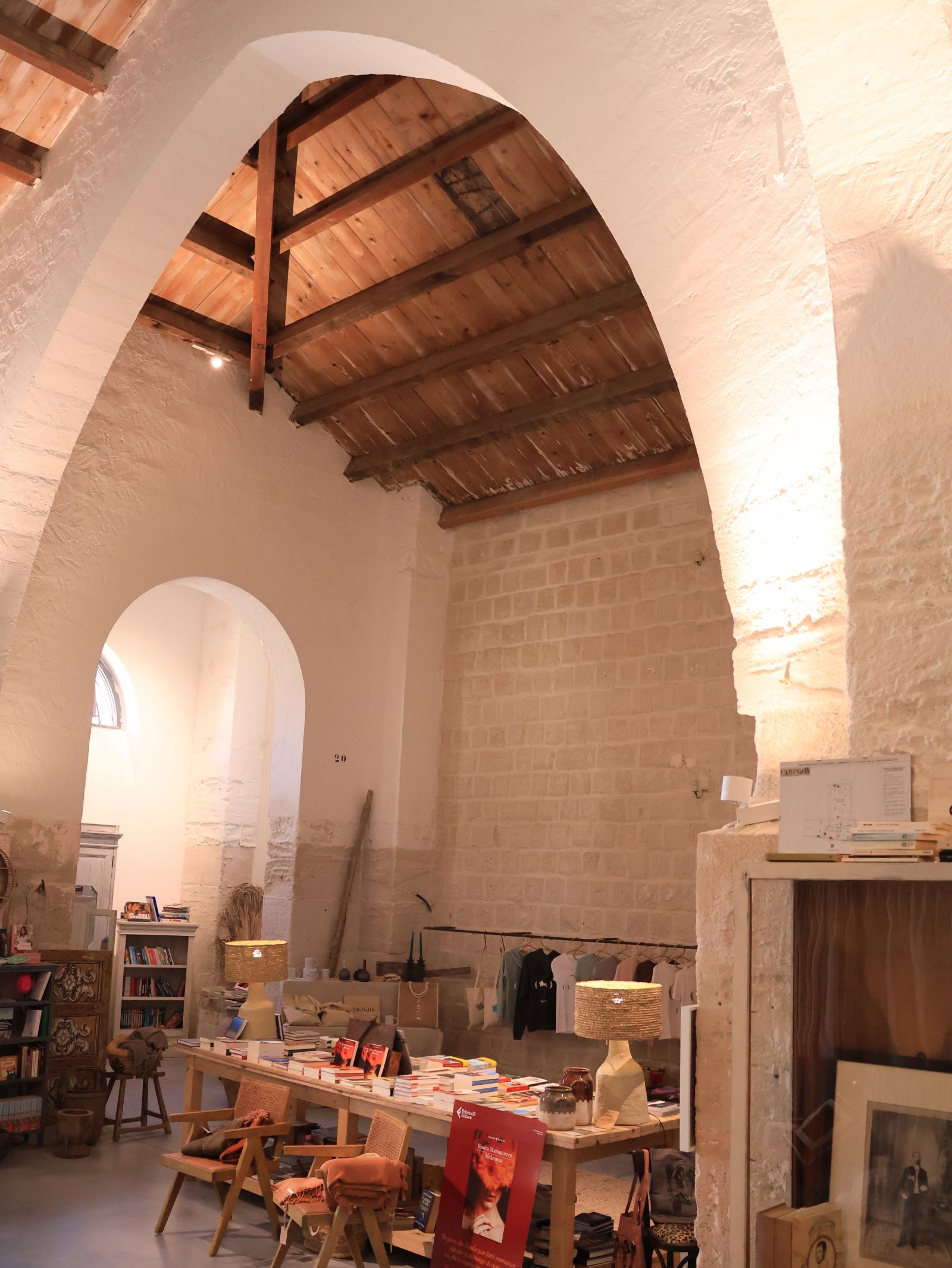
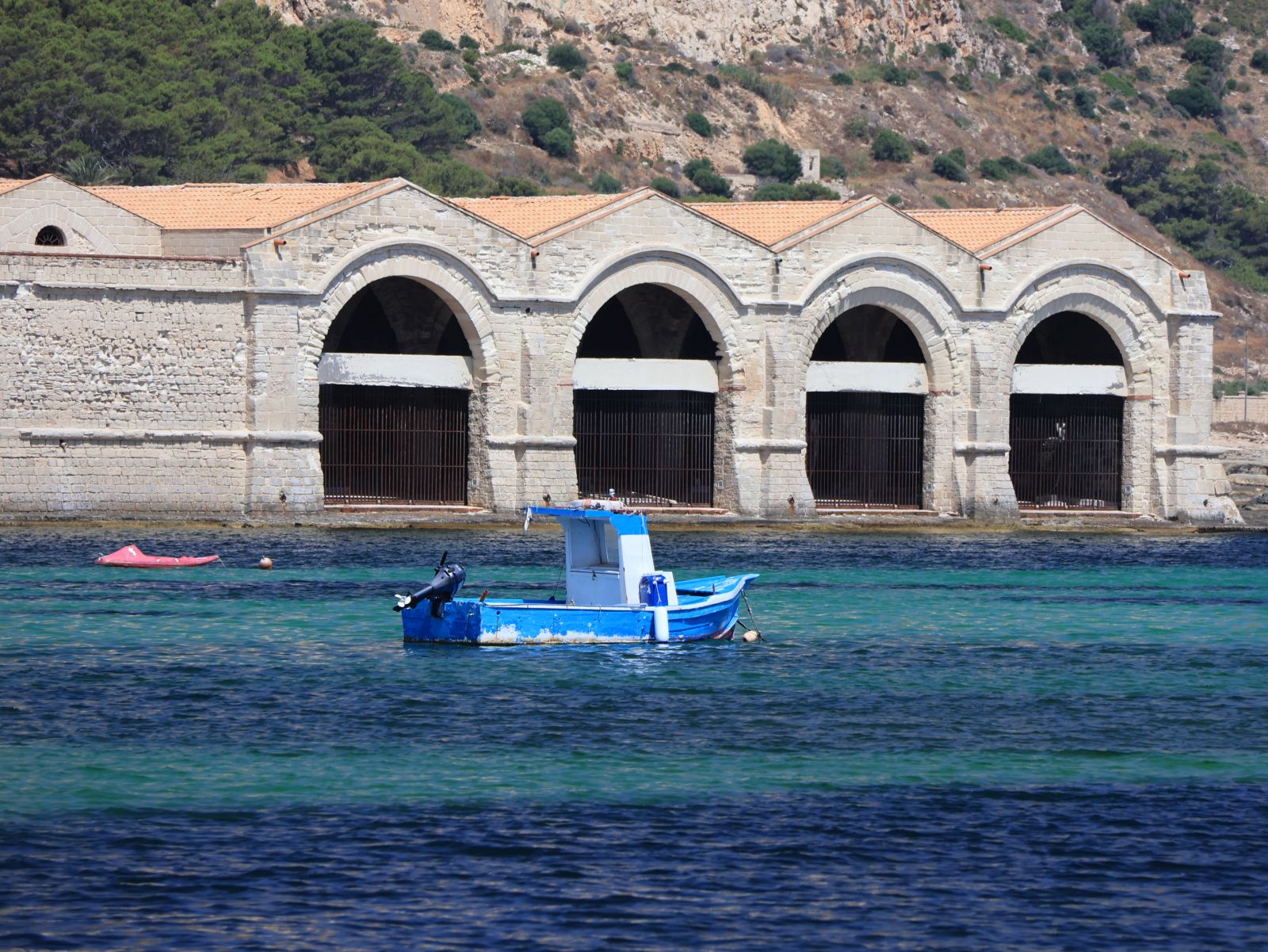
The old tonnara work and storage areas have been renovated with great taste and style. The shop is mainly a boutique, with an amazing selection of clothes, hand-picked in different countries. Besides, they also sell objects for your home and some books, mainly focused on the history of the Florio family. Instead of a guidebook I ended up with a truly beautiful summer dress. I could have easily spent a fortune there, but I restrained myself.
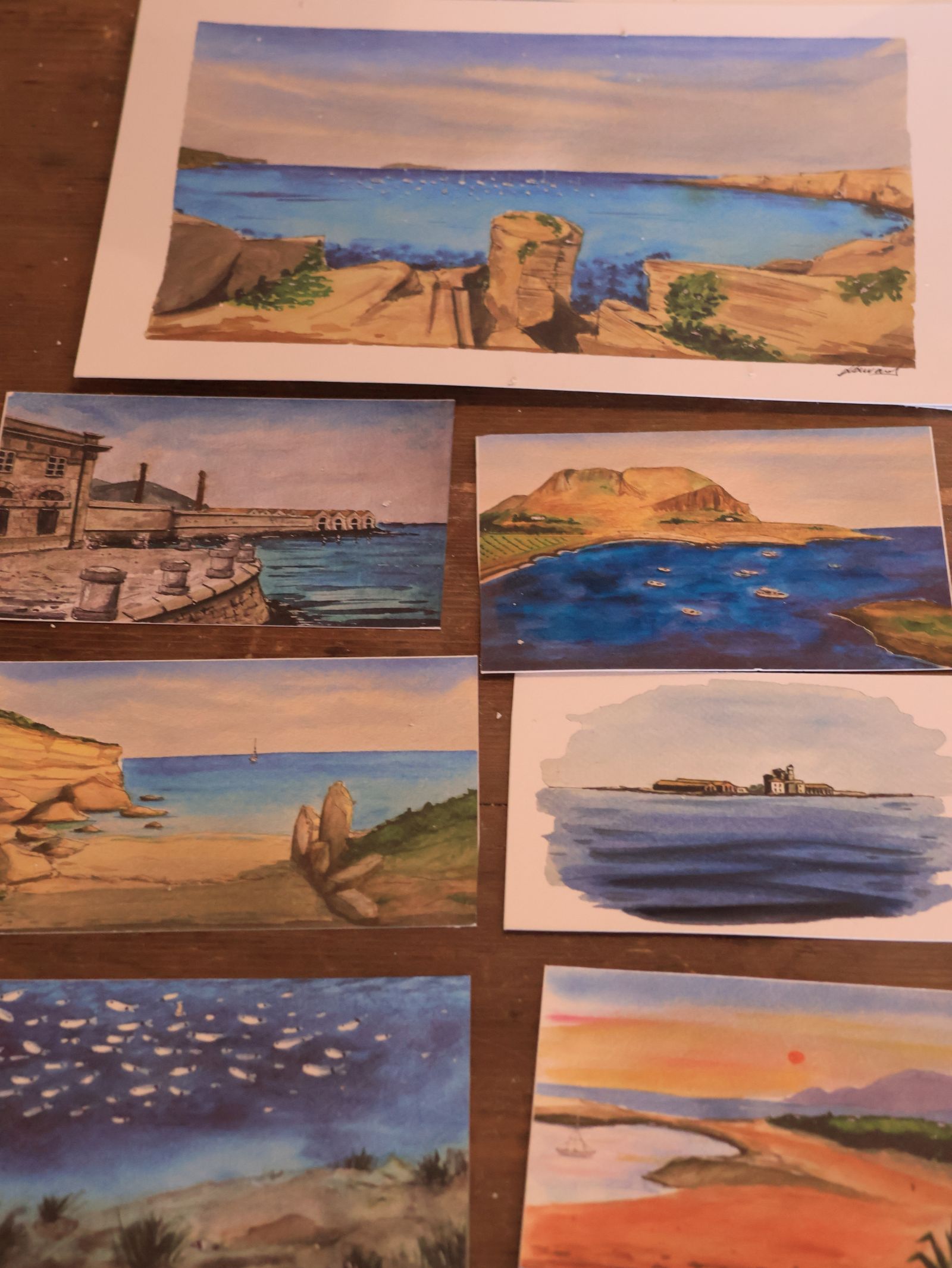
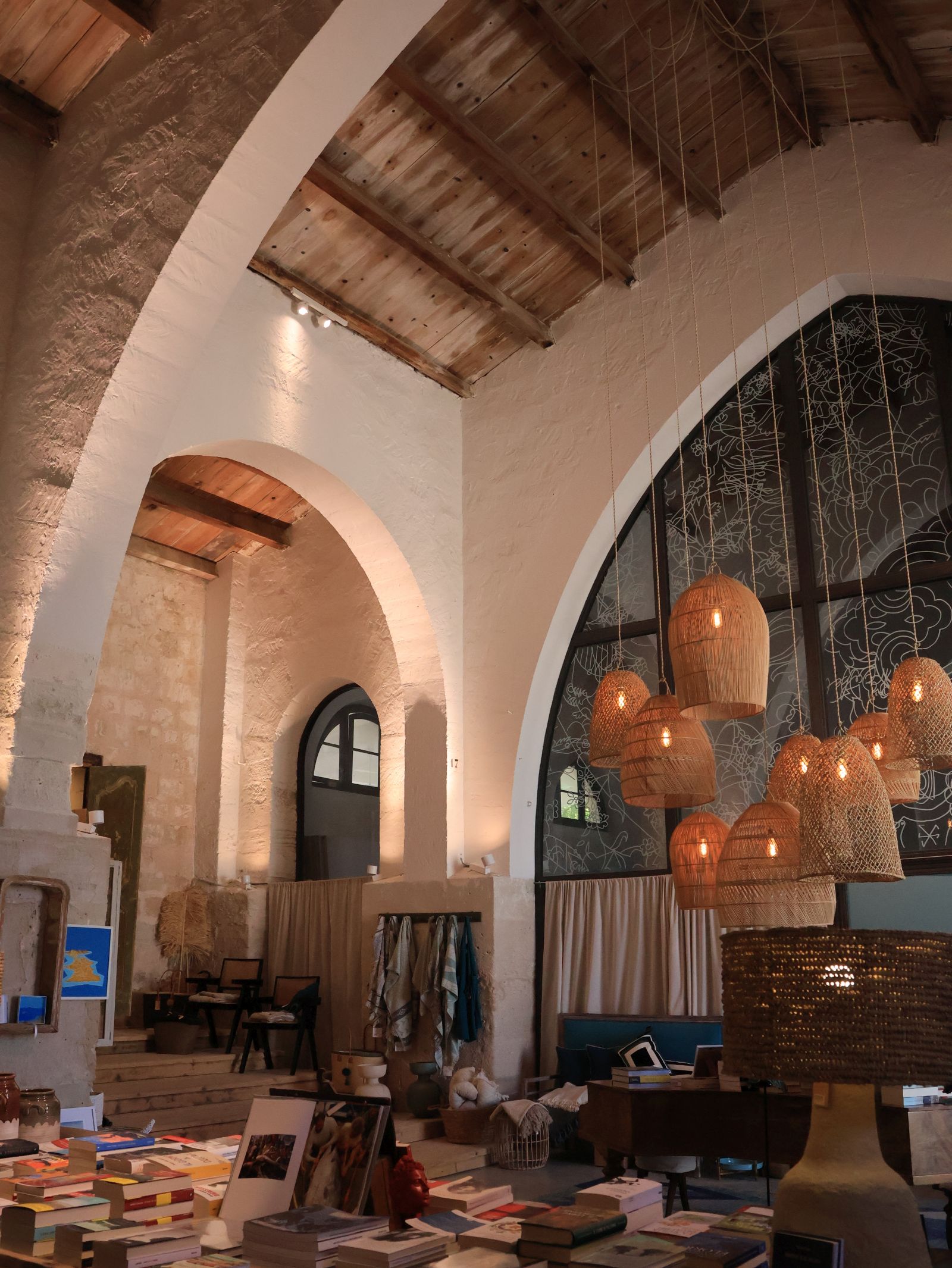
As for the book, I did not find the book about Marettimo. It was strange. Then the lady working there told me that the three islands don’t have a good relationship with each other. They have been competing, and most accommodations, restaurants and services can be found on Favignana, of course. It is also the administrative center. That – again – was a surprise to me, as I think that in world tourism they could be more successful if they worked more closely together, promoting the three islands together, emphasising that they are different and that they all have their attractive features. It worked well in the case of the five villages of the Cinque Terre.
While we loved Favignana and can’t wait to bicycle around the island again, next time we would love to stay overnight on Levanzo to experience quiet local life and to visit the Grotta del Genovese, followed by a few nights on Marettimo to do some of the hikes around the island.
I have a tour operator friend who told me there is nothing to do on the Egadi Islands. Well, we could easily spend three weeks there, there is so much to see and to do. Or – exactly – just to do nothing. Bike, swim, read, repeat.
While doing some research on the Egadi Islands, I’ve just read in an article that an Egadi Slow project has been started and that the islands are trying to work more closely together. I hope this project will be successful. I wish them all good luck.
But back to the bookshop. The lady told me to check out the Libreria del Corso in Trapani, with its unique Liberty-style entrance. We did, and we did not find any guidebooks about the Egadi Islands, just a short ferry ride away from Trapani. The answer: nobody looks for guidebooks anymore. Another surprise. How did we end up here? Am I really the only one looking for good-quality guidebooks, with in-depth information, interesting history and stories of local people? (I am curious, does anyone here still use guidebooks?)
The lady also told us about the secret natural thermal ponds on mainland Sicily, which we enjoyed so much. There was also a natural sauna, a cave with hot steam, but it was too hot for me, so I could not enter.
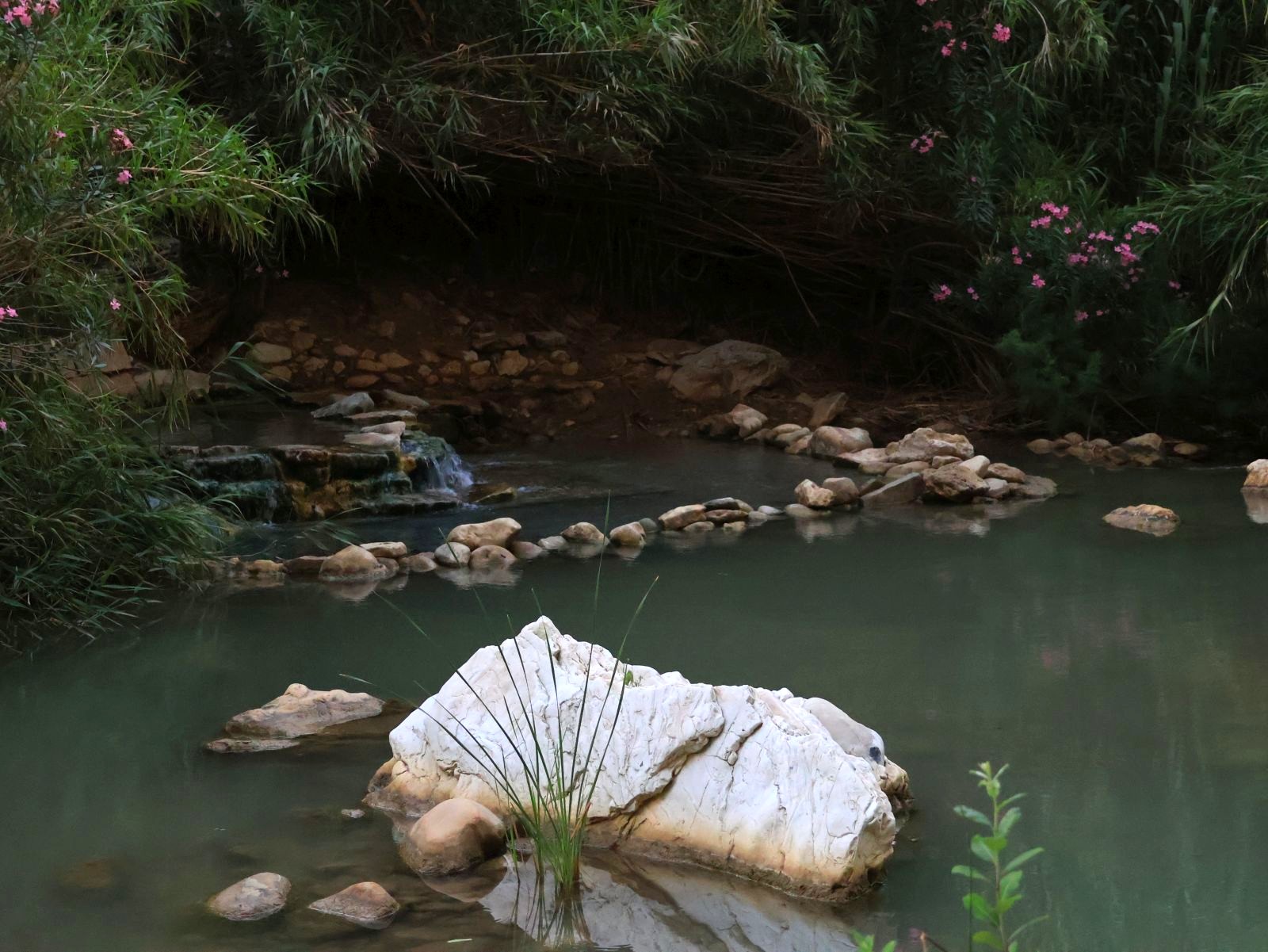
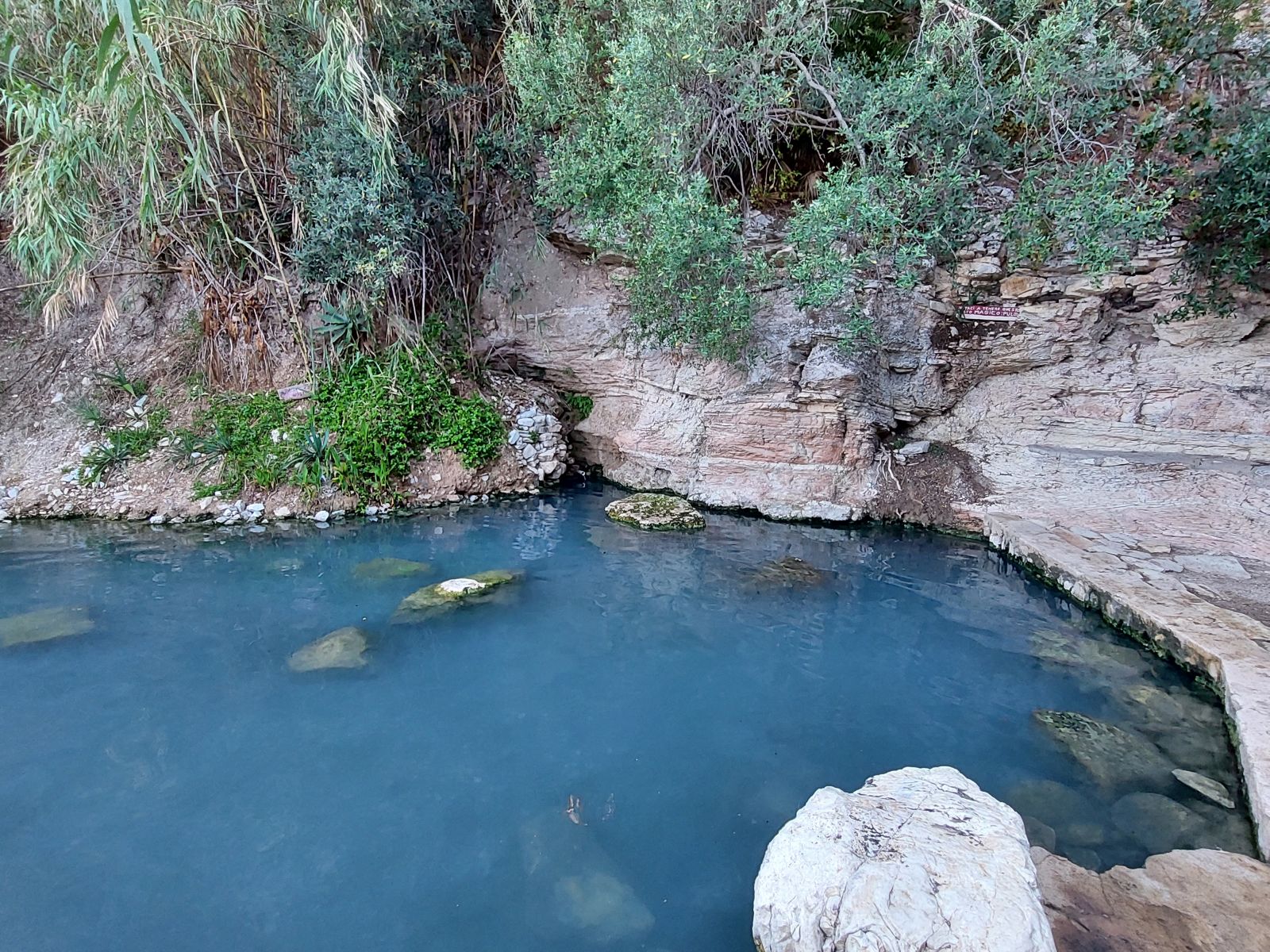
I talk so much to local people, and they are the best source of information about hidden places. The kind of places that you would not find in those (non-existent) guidebooks. I've learned so much by talking to this lady. She lives in Trapani and takes the ferry every day to work in the Camparia. During the tourist season, there isn't enough workforce on the islands. During the winter, there isn't enough work on the islands. Even some of the islands' inhabitants move to the mainland of Sicily during the colder months.
The Florios
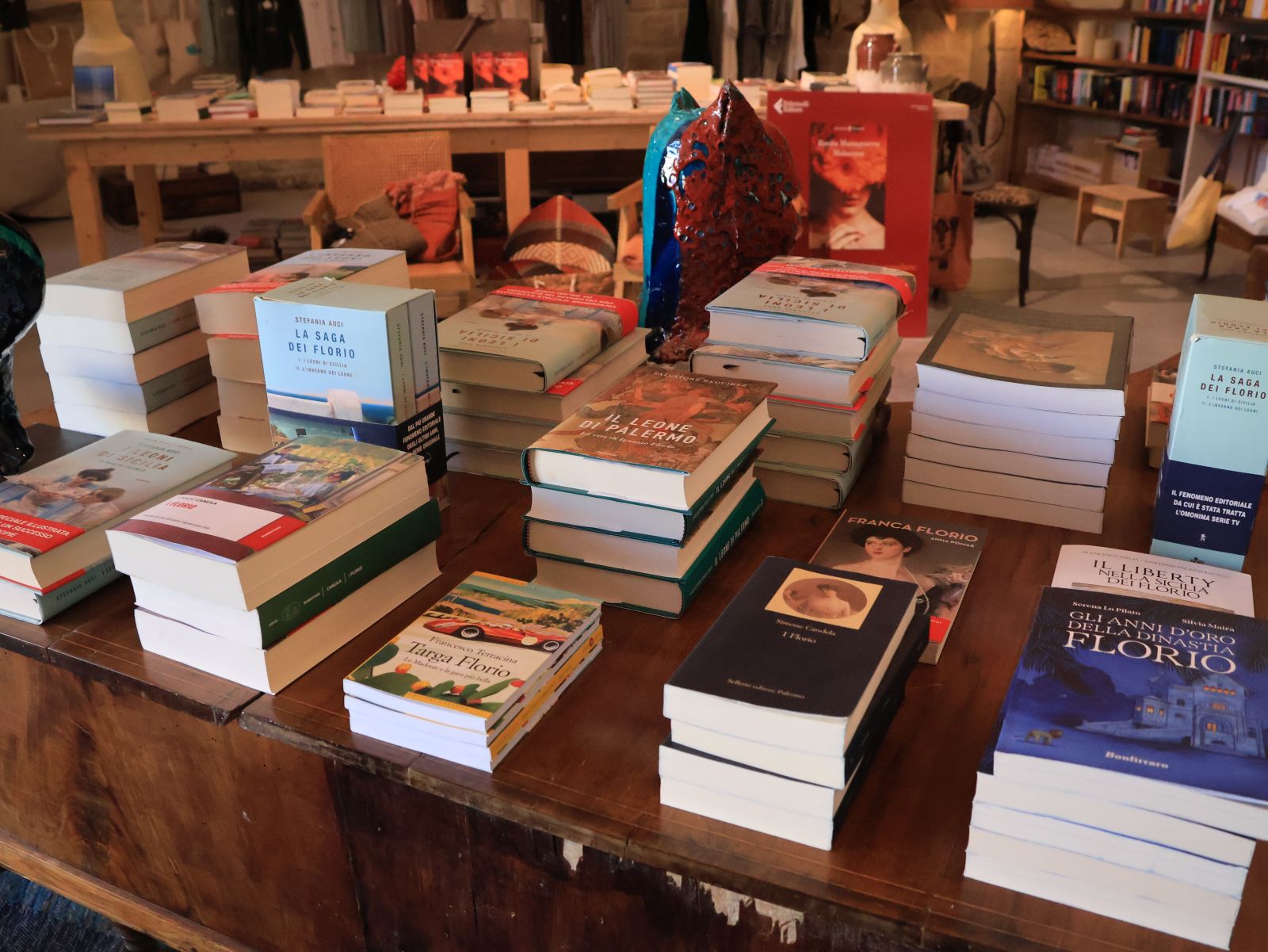
I did not want to leave without a book, so I ended up buying Stefania Auci’s book The Florios of Sicily. If you are traveling to the Egadi Islands, I highly recommend reading this Florio saga. The islands would not be the same without the Florios.
Ignazio Florio bought the Egadi Islands in 1874 for 2.75 million Italian lire. Besides the three main islands, the contract also included the Formiche Islands, the tuna fisheries, fishing rights, houses, cisterns, boats and the entire equipment of the tonnara. Favignana is also one of the birthplaces of the canned tuna we eat today.
Stefania has written three books about the Florios, so there is no need to say more about them here. You should also visit the museum at the Former Florio Tuna Factory, that will definitely help you understand the important role this family played in the history of the Egadi islands.
Many people come to the Egadi Islands just for a day trip. Please, don’t do that. You’ll just scratch the surface. Stay for a week or two, if you really want to understand the essence of these magical islands.
And another thing, please do not come in July or August. It’s already overcrowded, which is stressful for the local people and for you as well. Travel in spring, early summer or in the fall, when it’s quieter, temperatures are more pleasant and hotel room prices are lower. You will also help local people to have a more balanced year, as the extreme seasonality adds to the challenges of daily life on these tiny islands in the Mediterranean.
As always, thank you for reading!
P.S. We are dreaming of moving to a small island one day. If you live on one, please share the advantages and disadvantages with me. I would like to gain a deep insight into life on a tiny island.
